7.

The Economy, Shortages, and Reconstruction

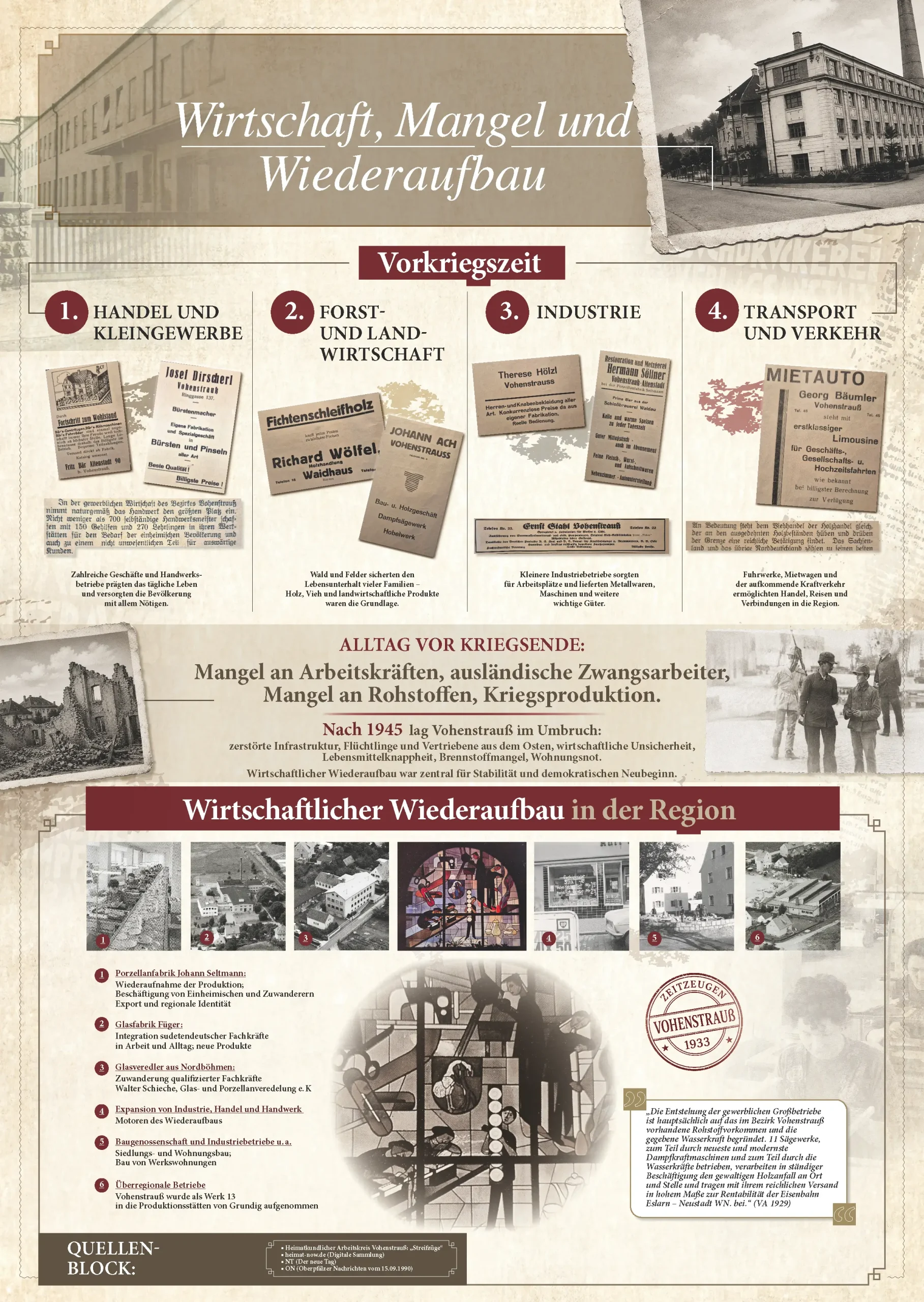
The Prewar Period, Everyday Life Before the End of the War, and Economic Reconstruction

document.addEventListener('DOMContentLoaded', () => { const tafel = document.querySelector('.tafel'); const title = document.querySelector('.title'); if (!tafel || !title) return; function positionTafel() { if (window.innerWidth <= 1024) { tafel.style.top = ''; tafel.style.opacity = ''; tafel.style.pointerEvents = ''; return; } const tafelRect = tafel.getBoundingClientRect(); const titleRect = title.getBoundingClientRect(); const difference = titleRect.top - tafelRect.top; const currentTop = parseFloat(getComputedStyle(tafel).top) || 0; tafel.style.top = (currentTop + difference) + 'px'; checkTafelVisibility(); } function checkTafelVisibility() { if (window.innerWidth = pageBottom - offsetBottom) { tafel.style.opacity = '0'; tafel.style.pointerEvents = 'none'; } else { tafel.style.opacity = '1'; tafel.style.pointerEvents = ''; } } positionTafel(); window.addEventListener('resize', positionTafel); window.addEventListener('load', positionTafel); window.addEventListener('scroll', checkTafelVisibility, { passive: true }); const observer = new ResizeObserver(() => { positionTafel(); }); observer.observe(title); if (tafel.offsetParent) { observer.observe(tafel.offsetParent); } }); .tafel { transition: opacity 0.85s ease; }

Prewar period

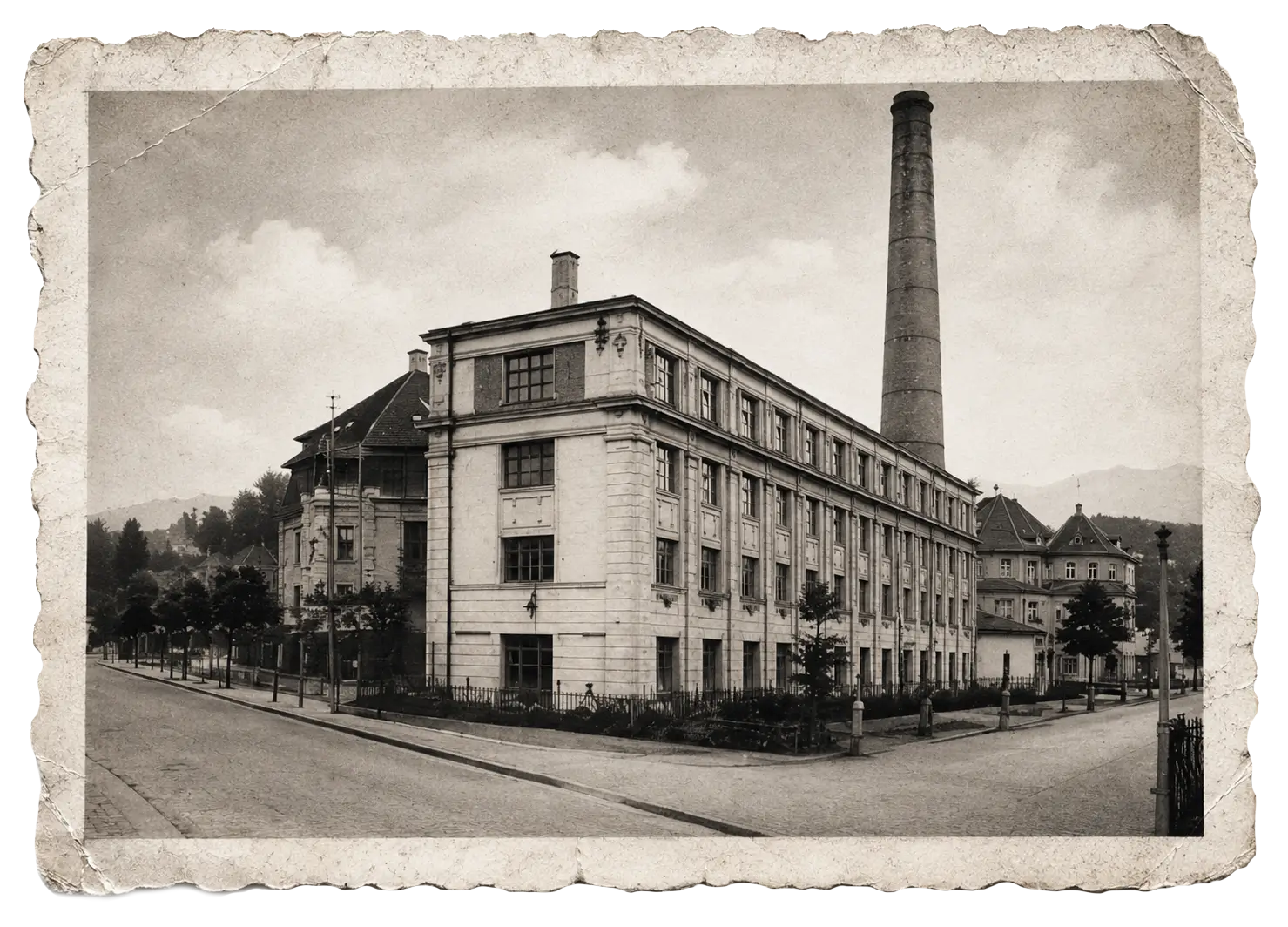
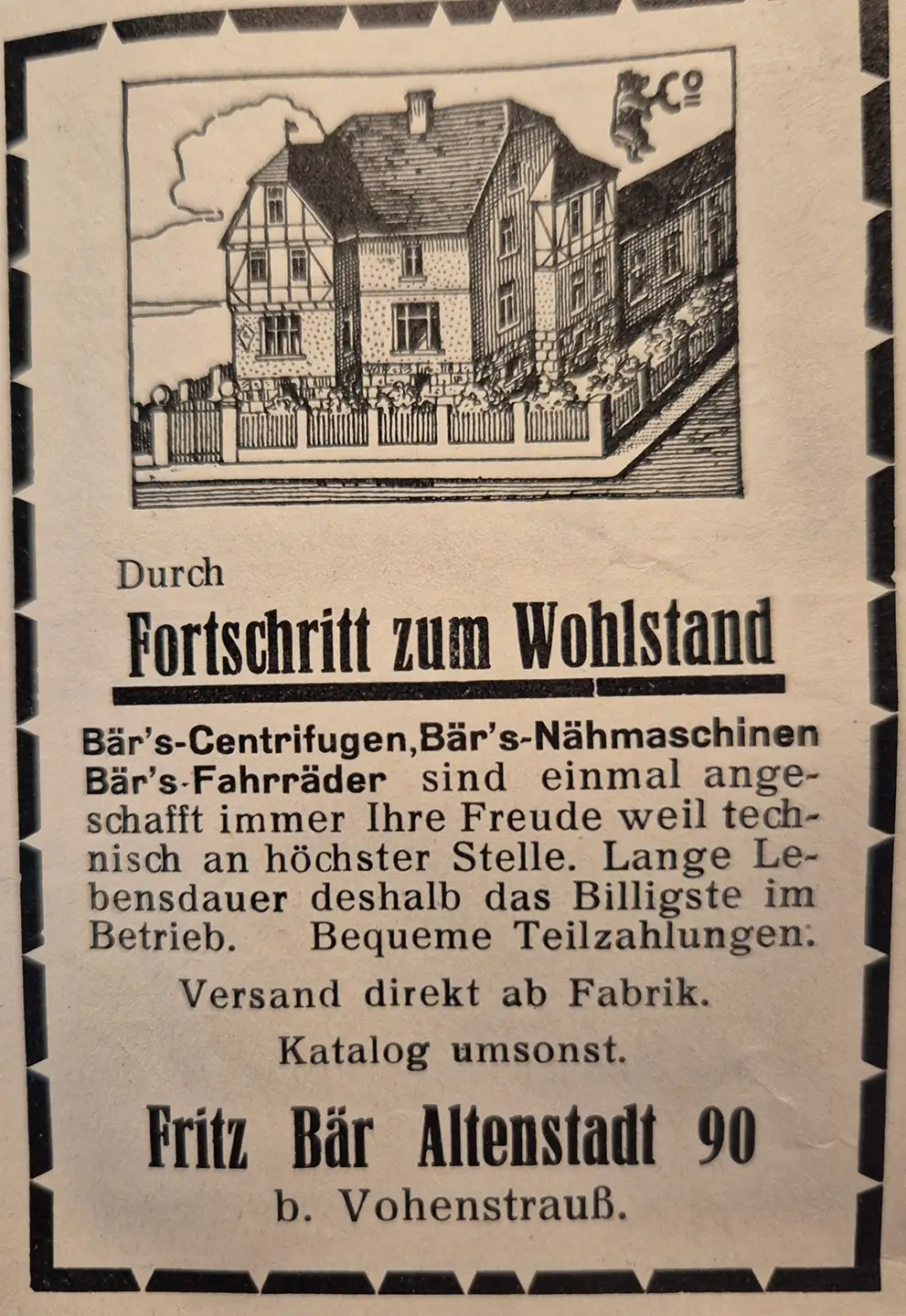
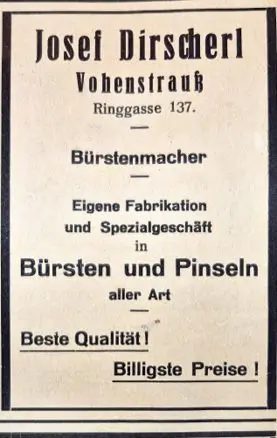
1. Retail and Small Businesses

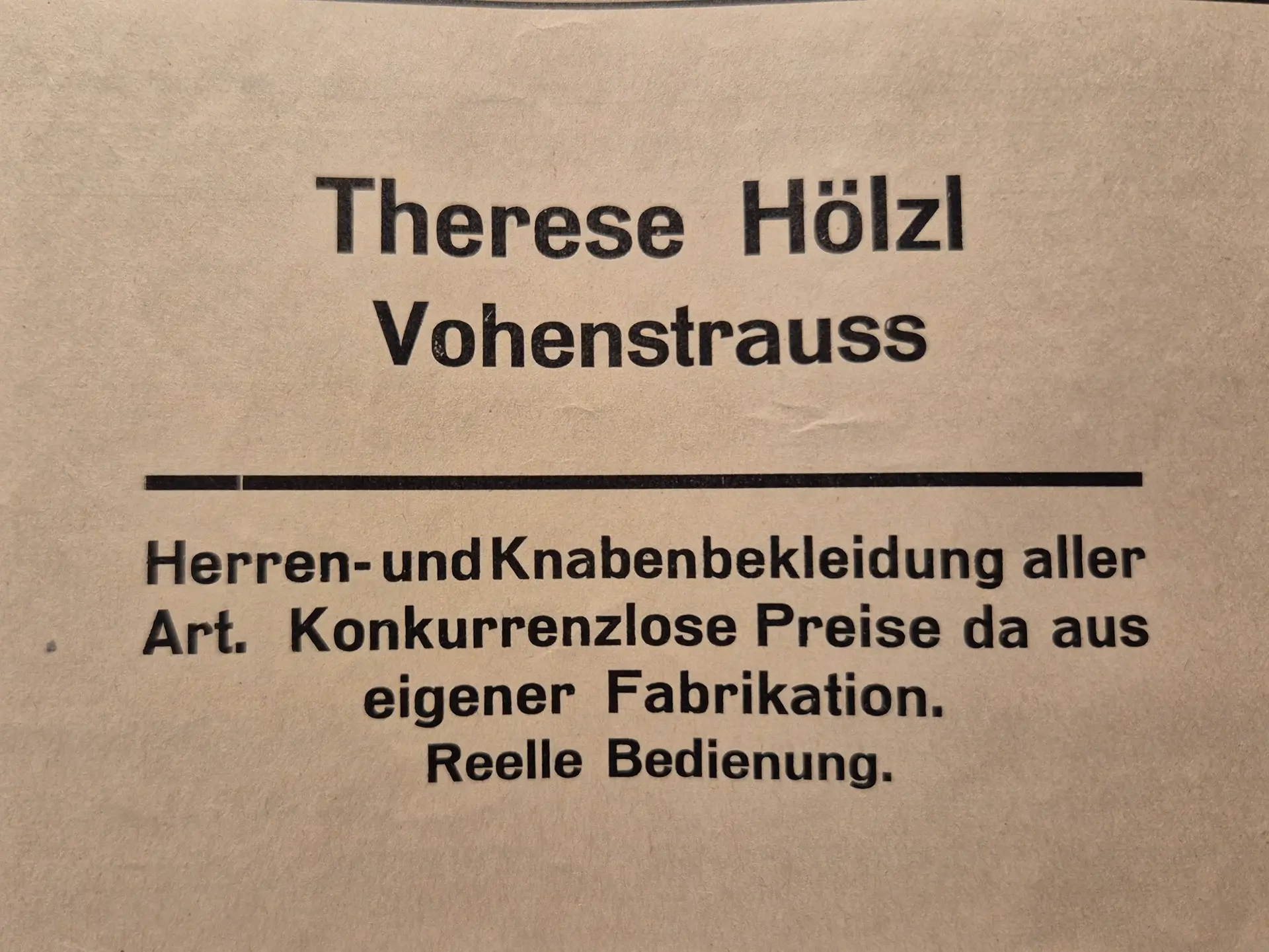
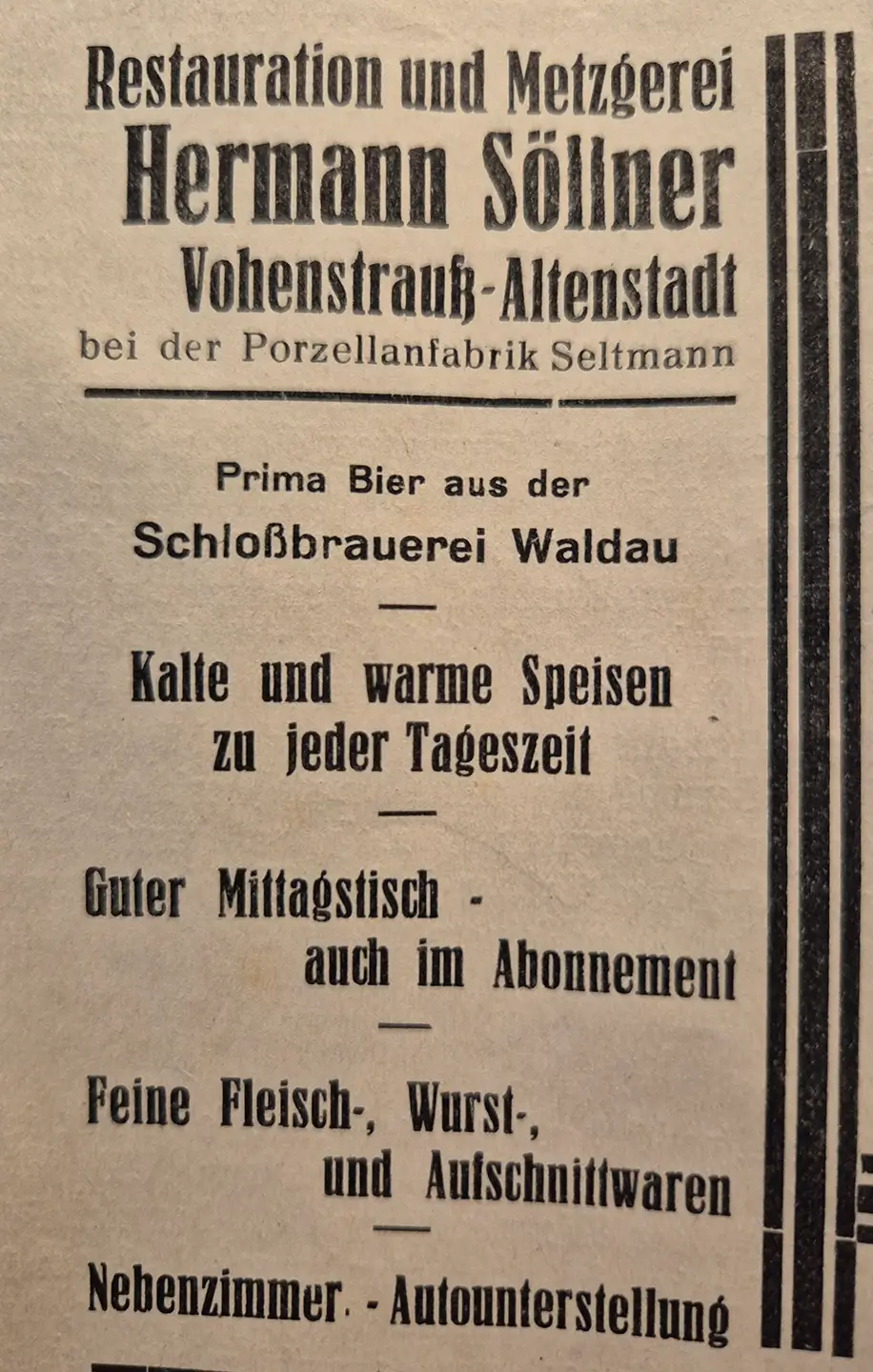
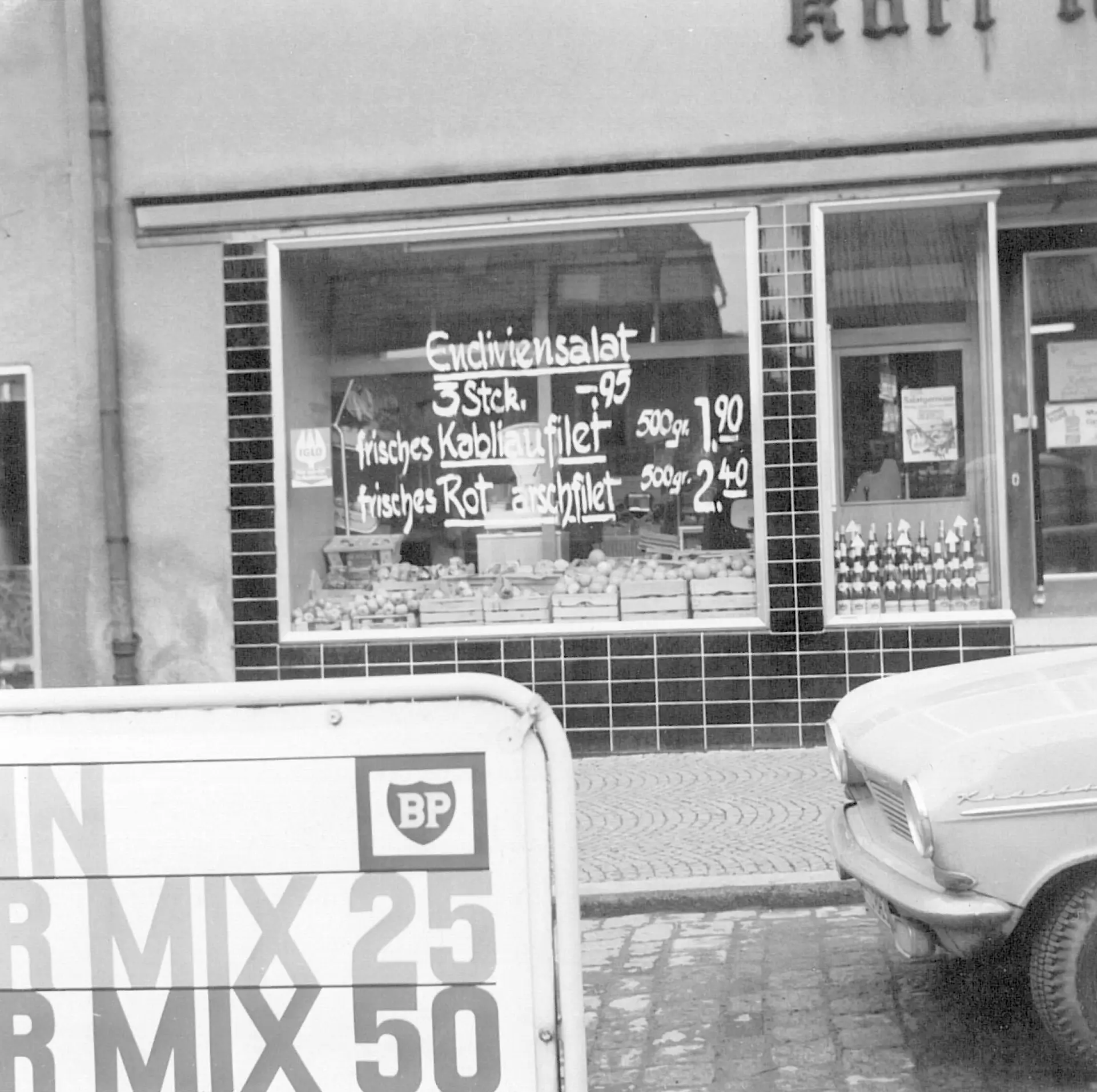
Numerous stores and craft workshops shaped daily life and provided the population with everything they needed.

2. Forestry and Agriculture

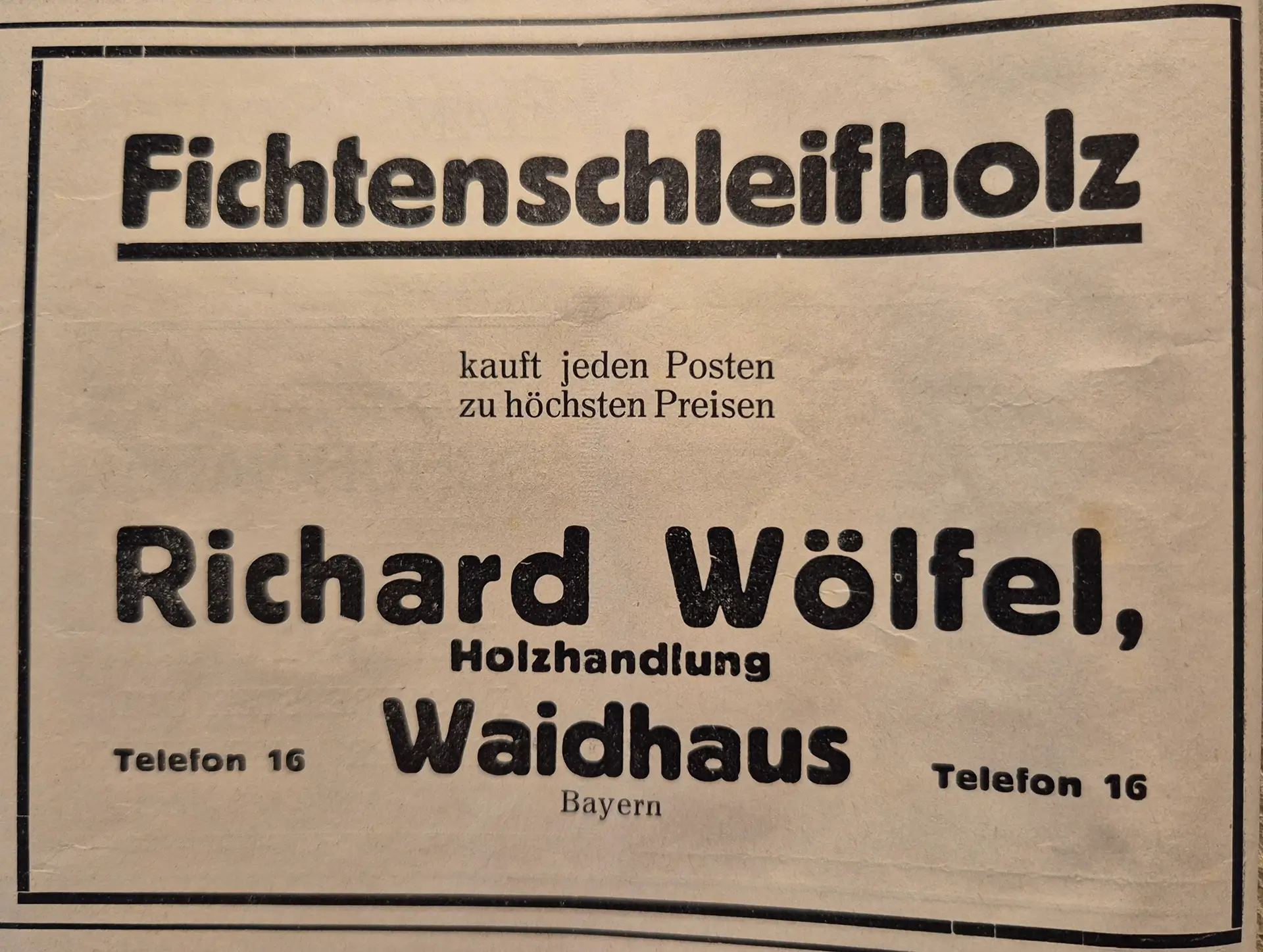
Forests and fields provided a livelihood for many families—wood, livestock, and agricultural products formed the basis of their livelihoods.

3. Industry

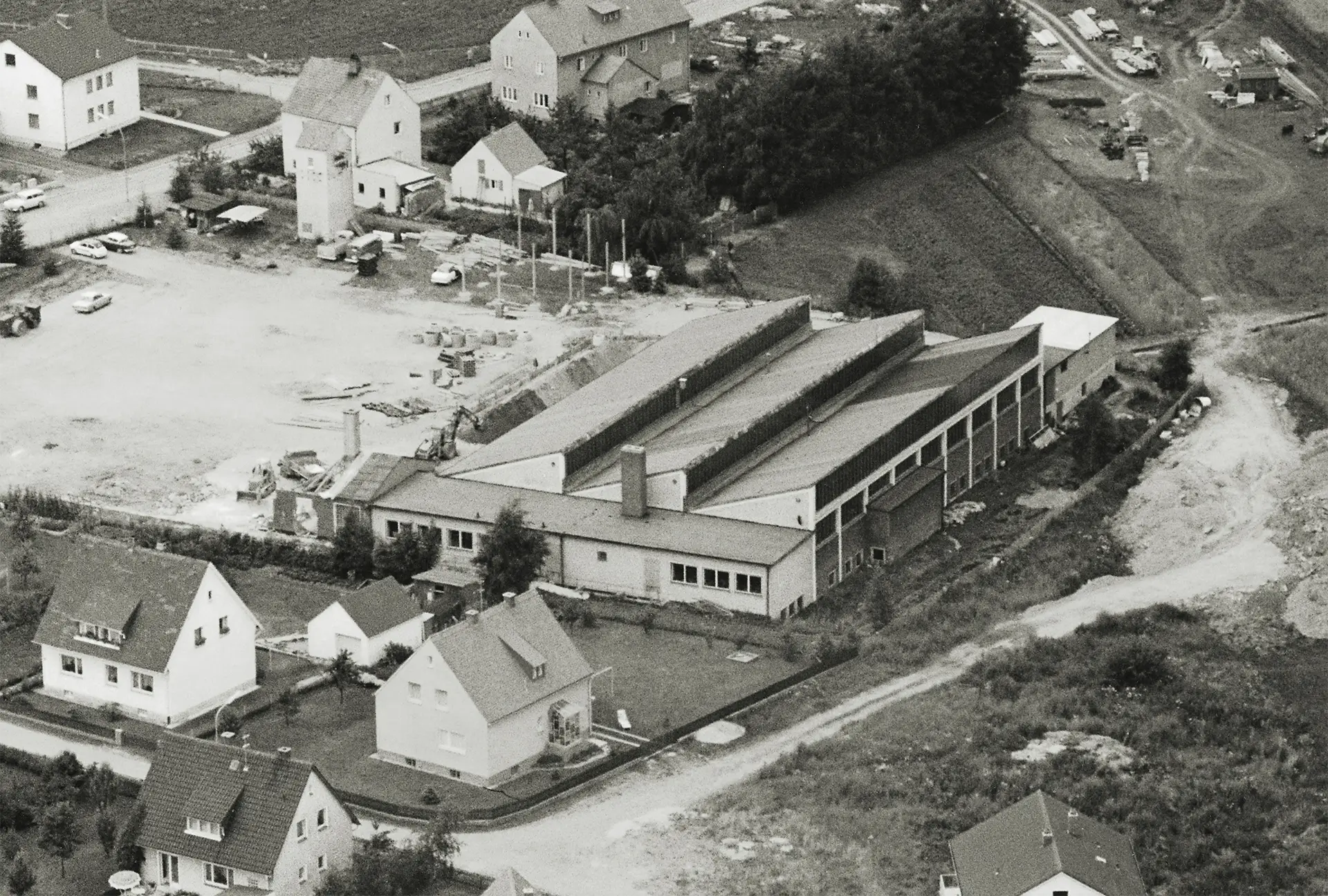
Smaller industrial enterprises provided jobs and supplied metal goods, machinery, and other essential goods.

4. Transportation and Traffic

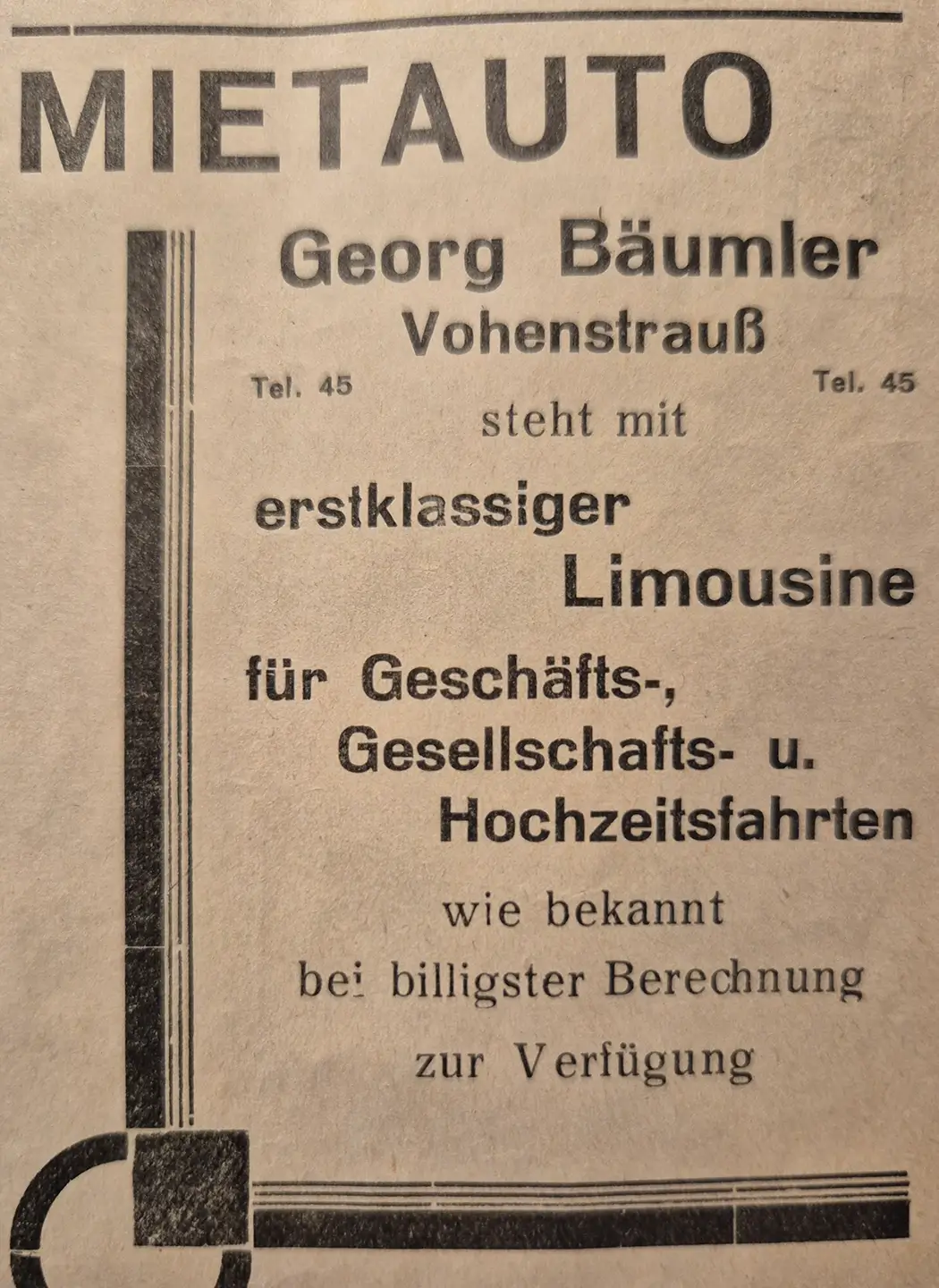
Horse-drawn carriages, rental cars, and the emerging motor vehicle industry facilitated trade, travel, and connections within the region.

Daily Life Before the End of the War

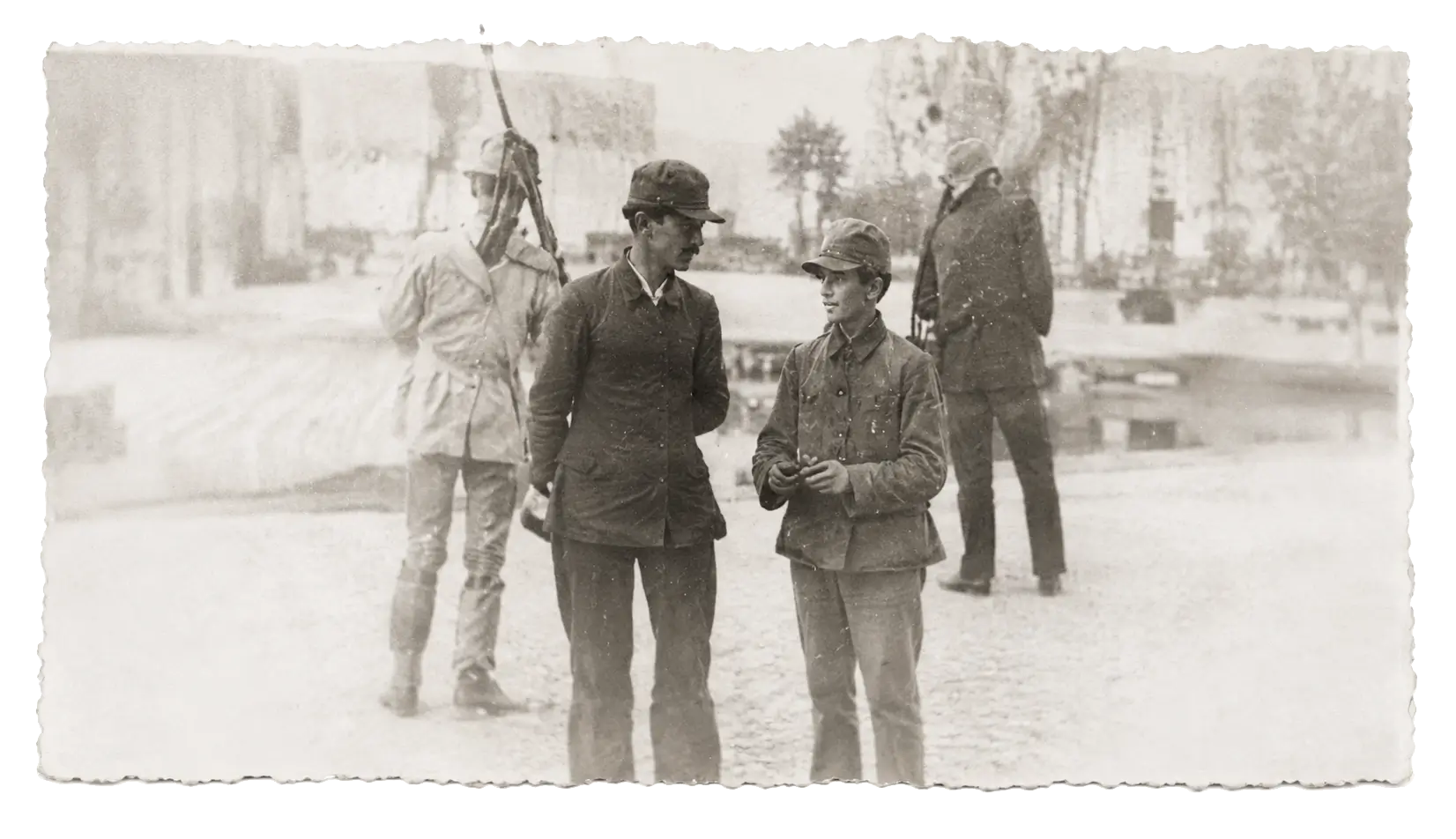
Labor shortages, foreign forced laborers, shortages of raw materials, wartime production.

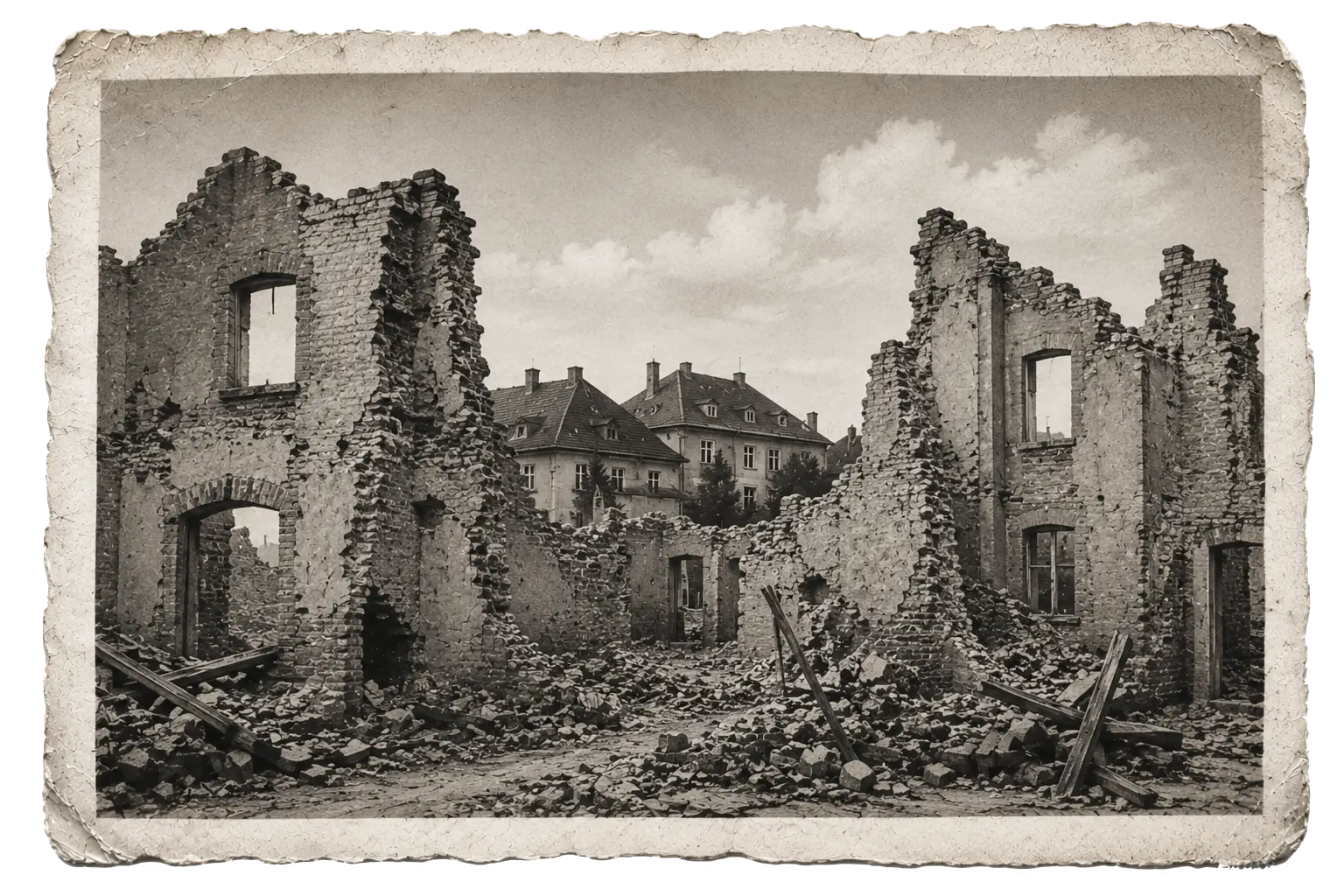
After 1945, Vohenstrauß was in a state of upheaval:
Destroyed infrastructure, refugees and displaced persons from the East, economic uncertainty, food shortages, fuel shortages, and a housing crisis.

Economic reconstruction was central to stability and a new start for democracy.

Economic Reconstruction in the Region

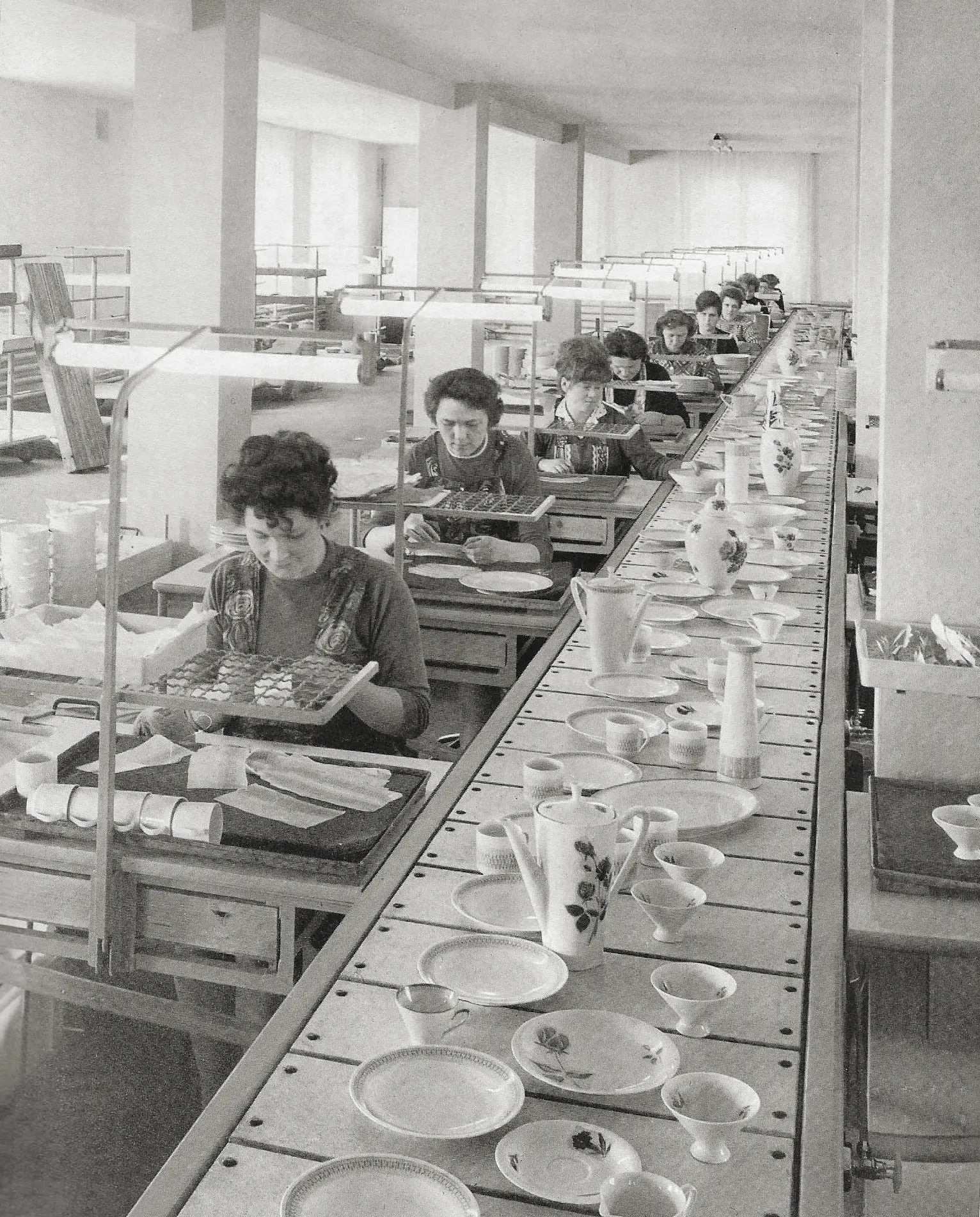
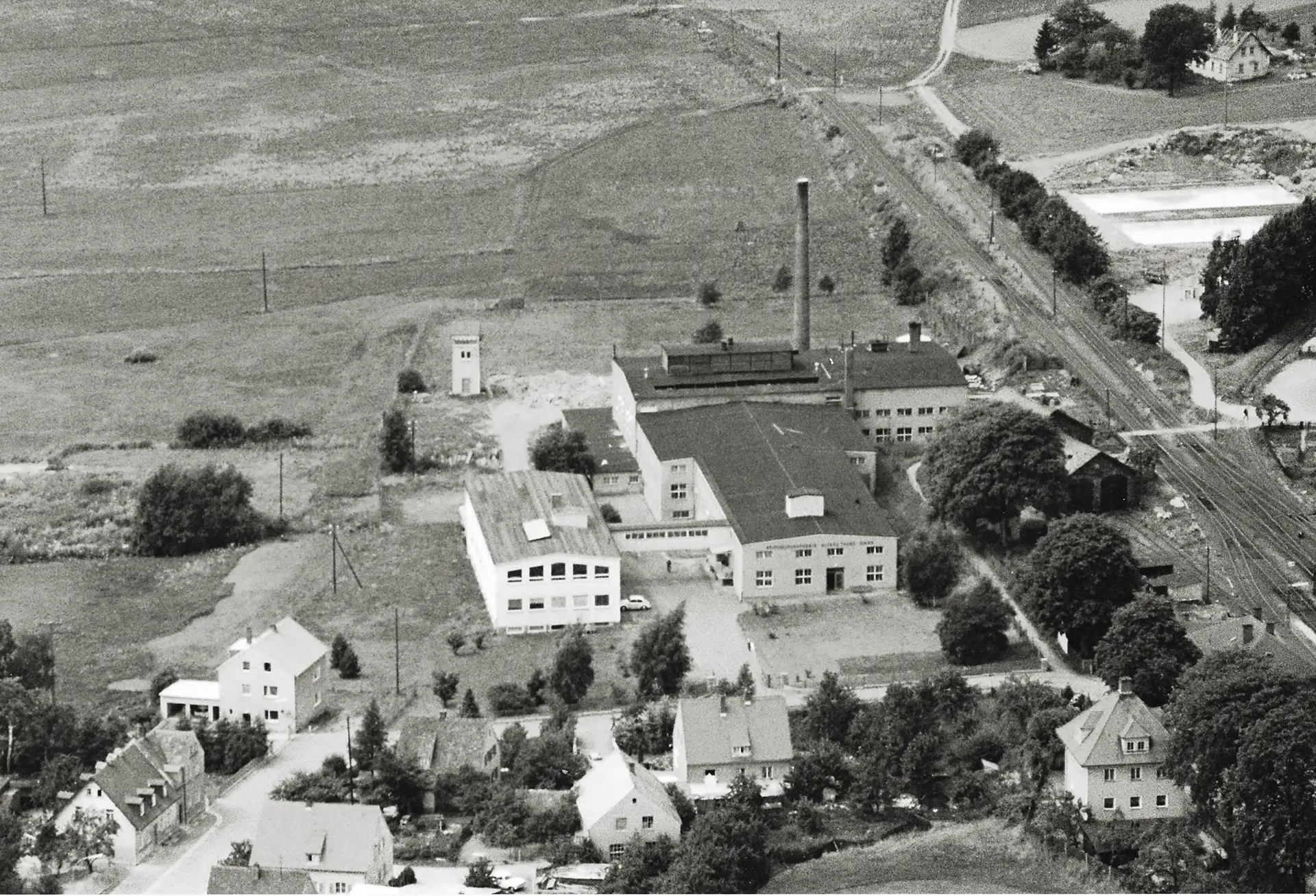
1. Johann Seltmann Porcelain Factory:
Resumption of Production;
Employment of Locals and Immigrants;
Exports and Regional Identity

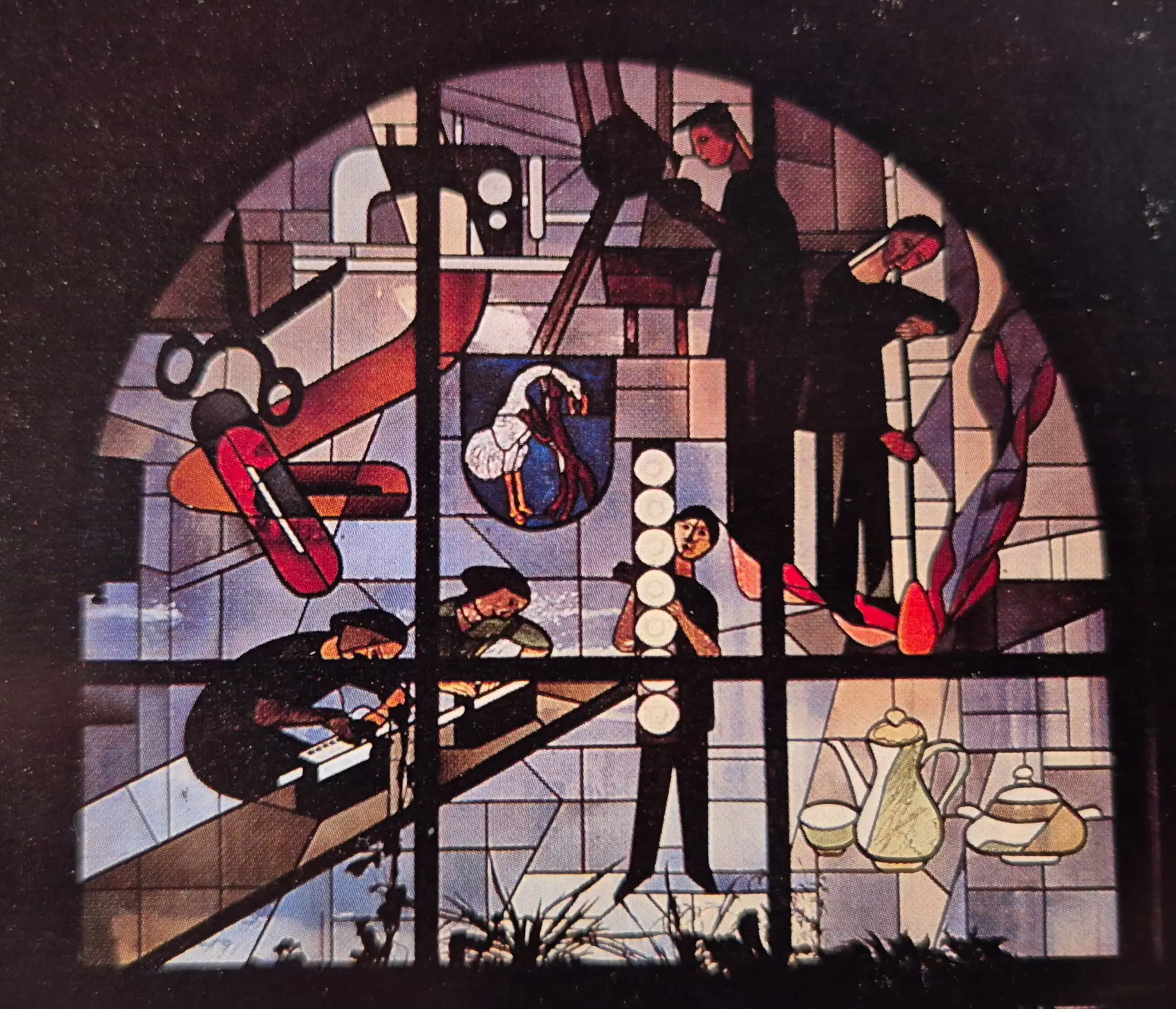
2. Füger Glass Factory:
Integration of Sudeten German skilled workers
into the workforce and daily life; new products

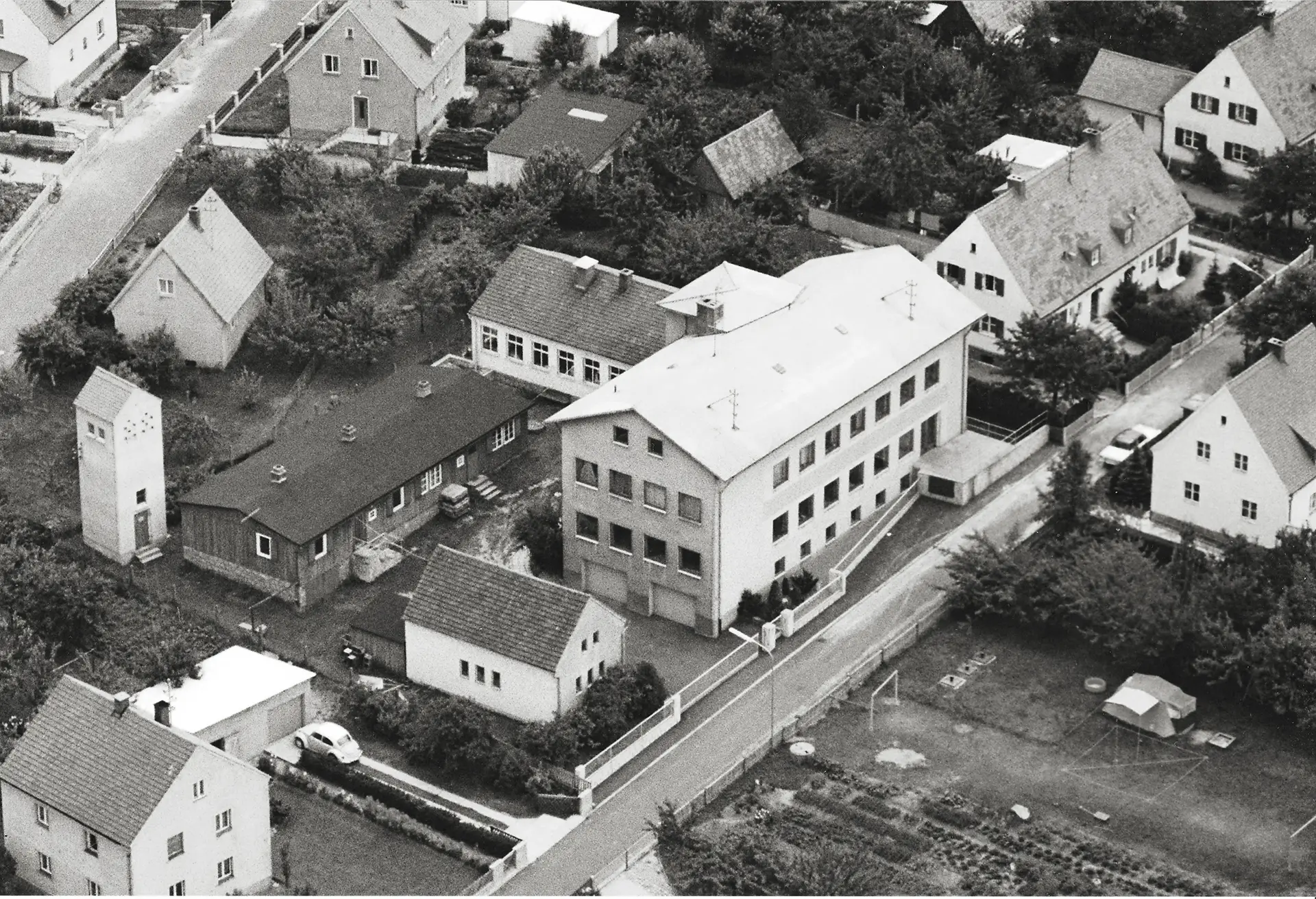
3. Glass refiners from Northern Bohemia:
Immigration of skilled workers
Walter Schieche, Glass and Porcelain Refining e.K.

4. Expansion of Industry, Trade, and Crafts:
Drivers of Reconstruction

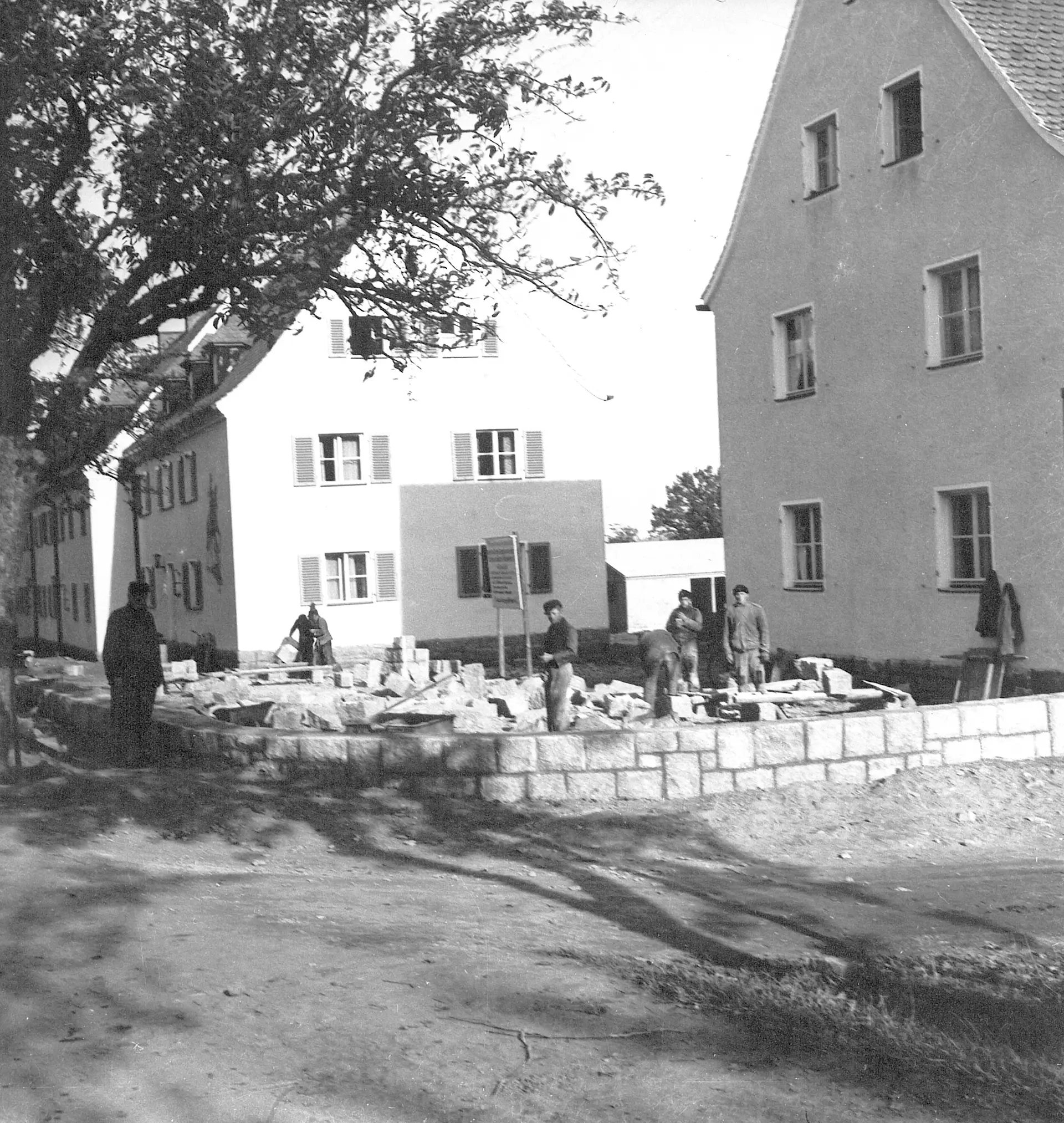
5. Housing Cooperatives and Industrial Enterprises, among others:
(Housing and Community Development);
(Construction of Factory Housing)

6. Nationally Operating Companies
Vohenstrauß was incorporated into Grundig’s production facilities as Plant 13

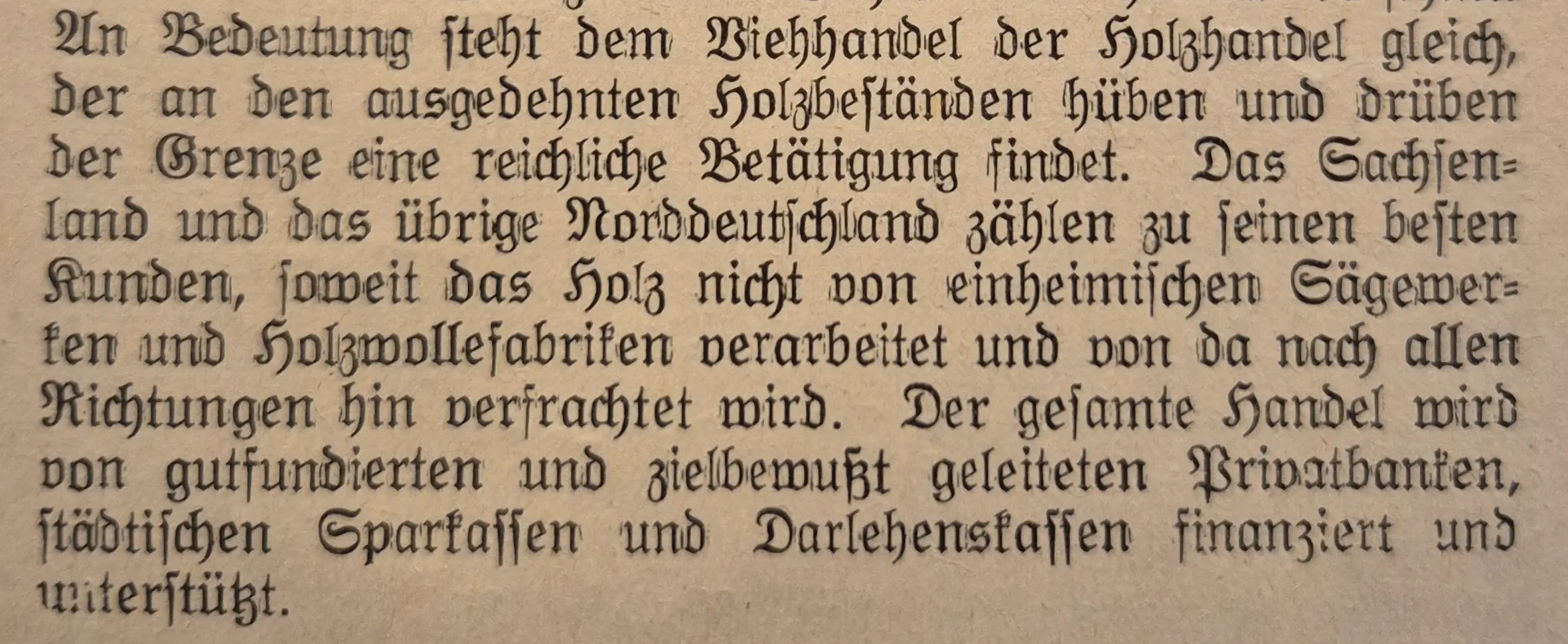
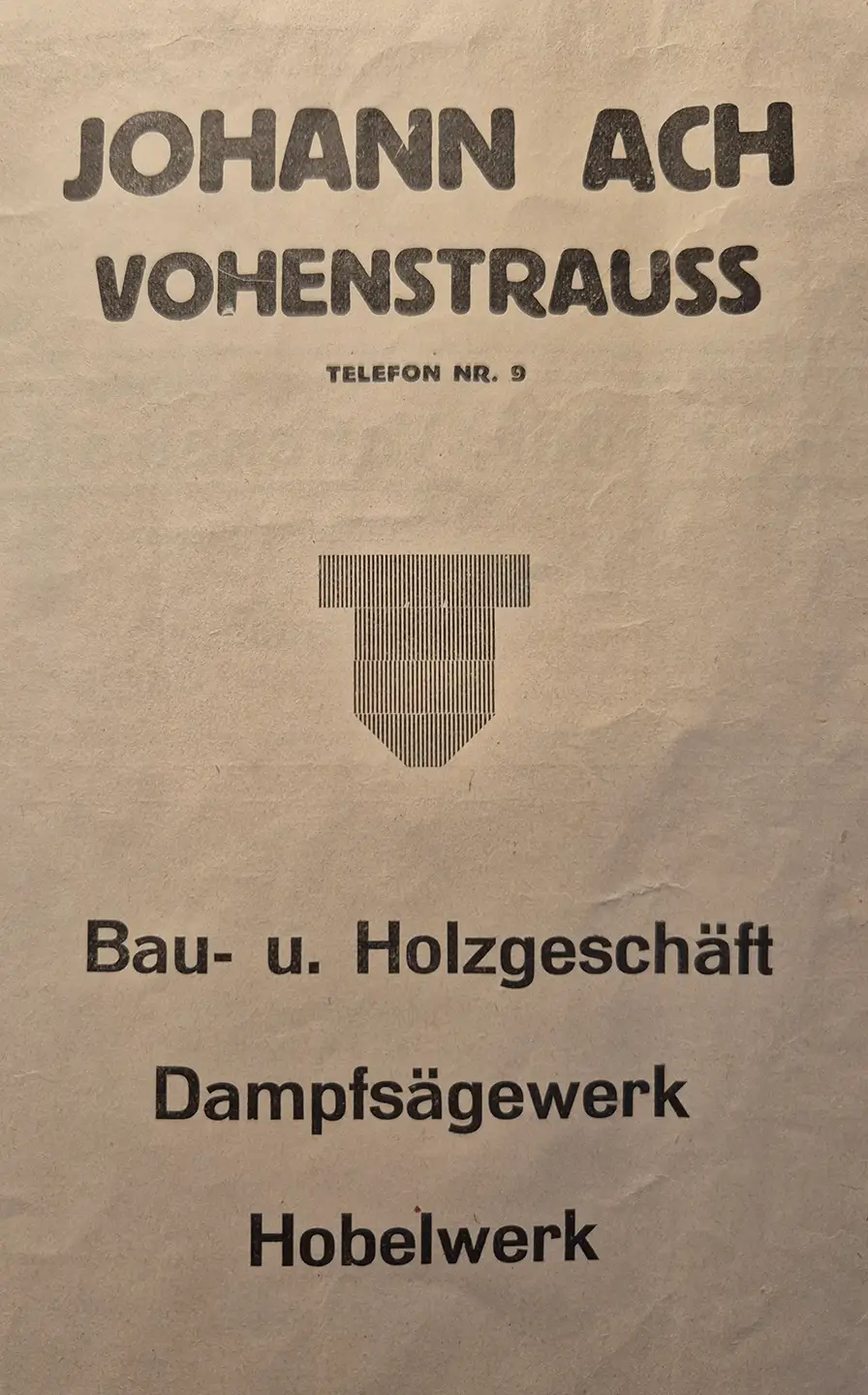
“The emergence of large-scale industrial enterprises is primarily due to the raw material deposits found in the Vohenstrauß district and the available hydropower. Eleven sawmills, some powered by the latest and most modern steam engines and others by hydropower, continuously process the vast amount of timber on site and, through their extensive shipping operations, contribute significantly to the profitability of the Eslarn – Neustadt WN.” (VA 1929)

Porzellanfabrik Johann Seltmann
Glasfabrik Füger
Glasfabrik Füger
Glasveredler aus Nordböhmen
Expansion von Industrie, Handel und Handwerk
Baugenossenschaft und Industriebetriebe u. a.
Überregionale Betriebe

Sources section

  • Vohenstrauß Local History Working Group: “Streifzüge”
  • heimat-now.de (Digital Collection)
  • NT (The New Day)
  • ON (Oberpfälzer Nachrichten, September 15, 1990)

The project “Between Democracy and Dictatorship” is funded by:

The project “Between Democracy and Dictatorship” is supported by “Neustadt lebt Demokratie,” the Evangelical Adult Education Center of the Upper Palatinate, the Federal Ministry of Education, Family, Senior Citizens, Women, and Youth, and the federal program “Demokratie leben!”

Together, the funding partners help preserve history, strengthen democratic awareness, and promote diversity, respect, and social cohesion.