6.

From National Socialism to a New Political Beginning

1945-1947

document.addEventListener('DOMContentLoaded', () => { const tafel = document.querySelector('.tafel'); const title = document.querySelector('.title'); if (!tafel || !title) return; function positionTafel() { if (window.innerWidth <= 1024) { tafel.style.top = ''; tafel.style.opacity = ''; tafel.style.pointerEvents = ''; return; } const tafelRect = tafel.getBoundingClientRect(); const titleRect = title.getBoundingClientRect(); const difference = titleRect.top - tafelRect.top; const currentTop = parseFloat(getComputedStyle(tafel).top) || 0; tafel.style.top = (currentTop + difference) + 'px'; checkTafelVisibility(); } function checkTafelVisibility() { if (window.innerWidth = pageBottom - offsetBottom) { tafel.style.opacity = '0'; tafel.style.pointerEvents = 'none'; } else { tafel.style.opacity = '1'; tafel.style.pointerEvents = ''; } } positionTafel(); window.addEventListener('resize', positionTafel); window.addEventListener('load', positionTafel); window.addEventListener('scroll', checkTafelVisibility, { passive: true }); const observer = new ResizeObserver(() => { positionTafel(); }); observer.observe(title); if (tafel.offsetParent) { observer.observe(tafel.offsetParent); } }); .tafel { transition: opacity 0.85s ease; }

I. The End of Nazi Rule

At the end of World War II, Nazi rule collapsed. German troops were able to hold on to only small portions of the Reich. The four Allied powers—the United States, the Soviet Union, the United Kingdom, and France—took control of the territory of the Reich and its administration.

Since the Western Allies intend to send their troops home soon, and since citizens in the United Kingdom and the United States are hoping for a swift return to normal life, there is strong political interest in quickly restoring order in Germany.

April 30: Adolf Hitler commits suicide.

May 7–9: The German Wehrmacht surrenders unconditionally.

May 23: The last Reich government is arrested.

There is no longer any government authority in the German Reich.
Germany is under Allied military control.

Feldmarschall Keitel unterschreibt die Kapitulationsurkunde am 9. Mai in Berlin-Karlshorst.

II. Sovereignty in Foreign Hands

There is no longer a functioning and legitimate government in Germany—not even at the state or local level. Even as people try to carry on with their daily lives amid shortages of supplies, destroyed infrastructure, millions of displaced people, and so on—depending on their location—there is no German institution that would be legitimate and authorized to maintain existing state structures or create new ones. In this situation, the Allies assume German sovereignty.

June 5, 1945

  • Berlin Declaration of the Allies:
  • All sovereign authority in Germany is transferred to the United States, the Soviet Union, Great Britain, and France.
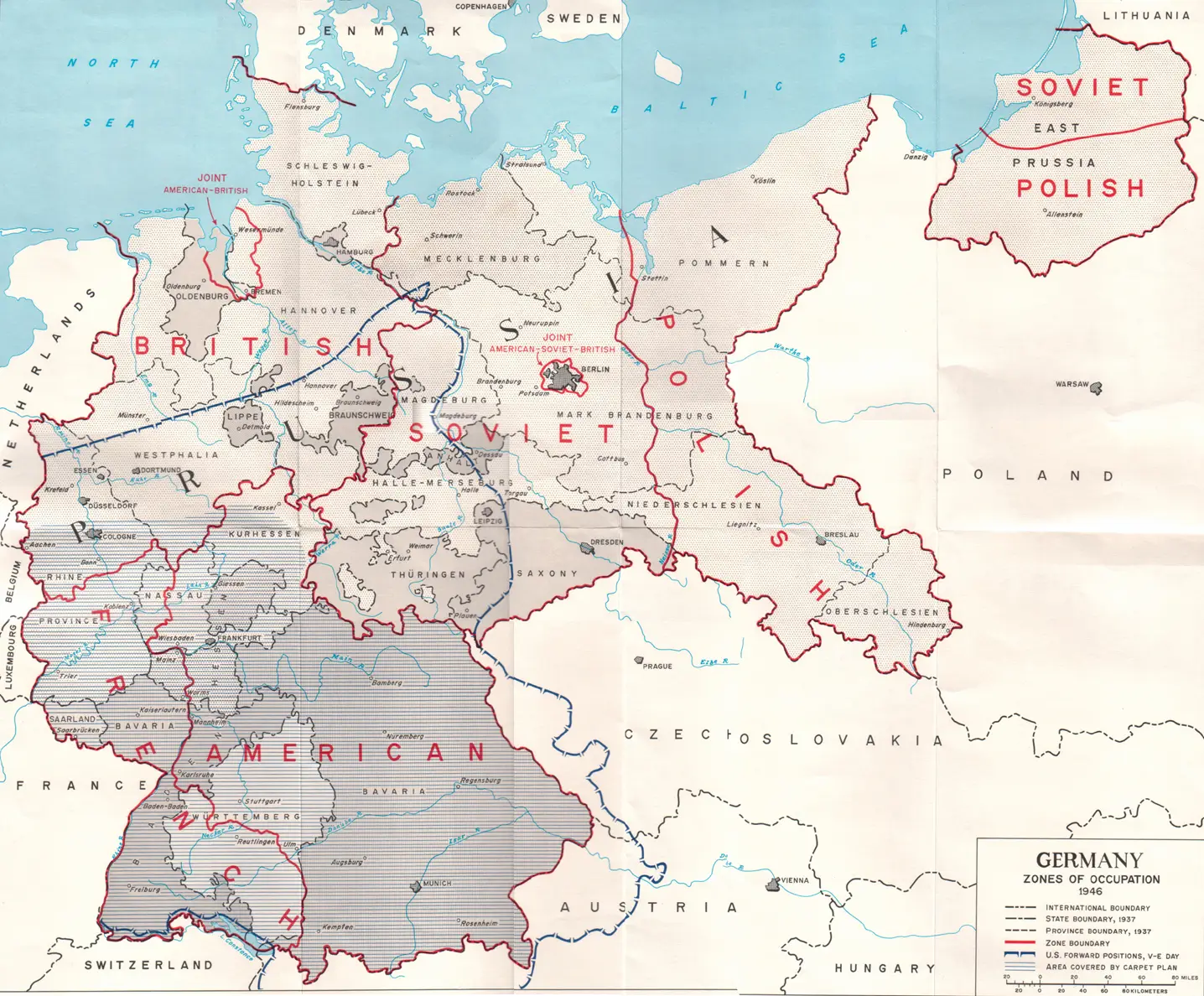
    Germany (within its 1937 borders) is divided into four occupation zones under the supreme command of the respective victorious power.
  • An Allied Control Council, composed of the four Supreme Commanders, will be established. It will decide on matters affecting all of Germany.

Starting in September, Bavaria came under the authority of the U.S. military government,
the Office of Military Government for Germany (U.S.) (OMGUS)

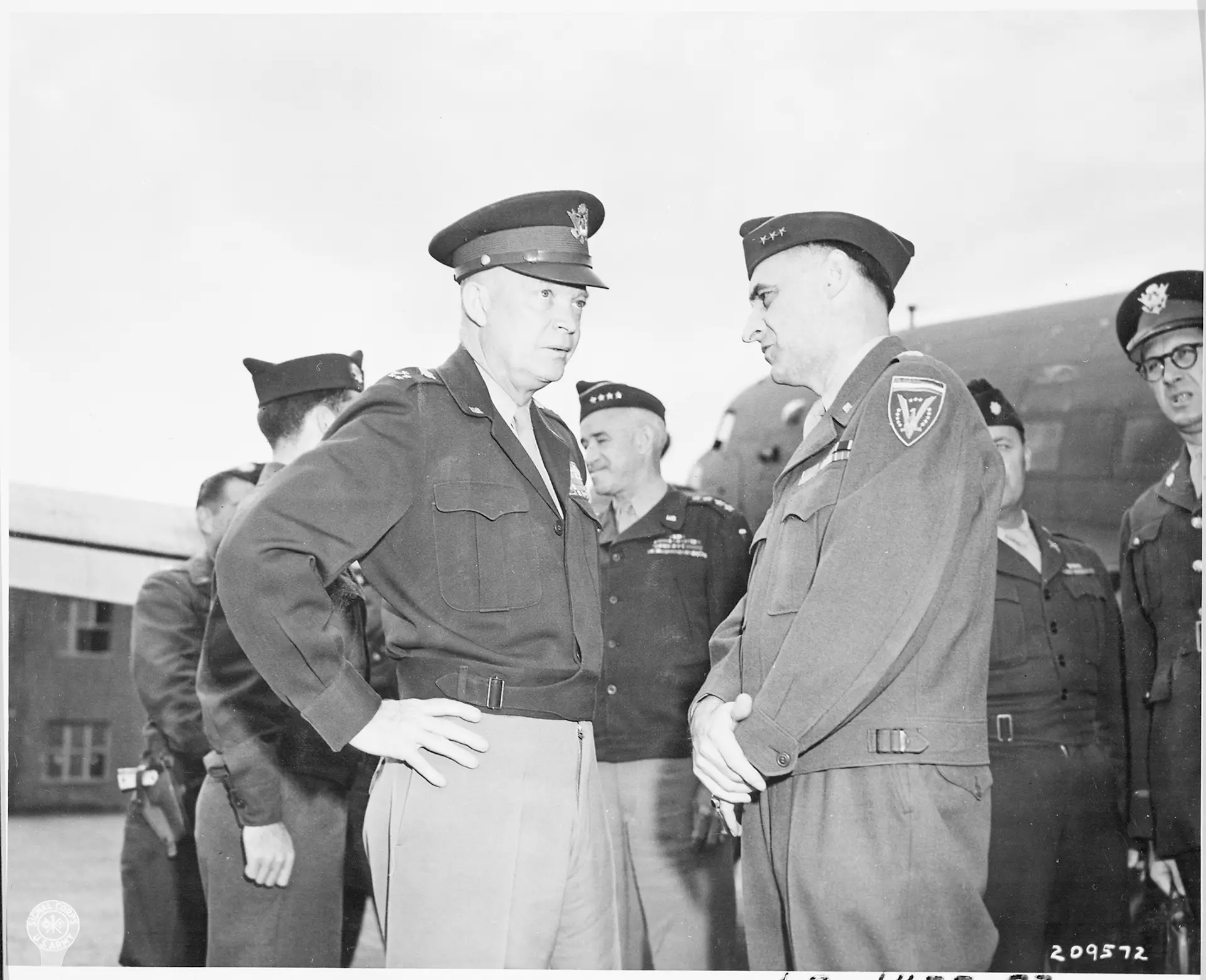
Commander-in-Chief:

General Dwight D. Eisenhower, June–October 1945
General Joseph T. McNarney, October 1945–March 1947
General Lucius D. Clay, March 1947–May 1949

General Eisenhower und Gerneral Clay am Flugplatz Gatow während der Potsdamer Konferenz
Karte Deutschlands in den Grenzen von 1937 mit den Besatzungszonen
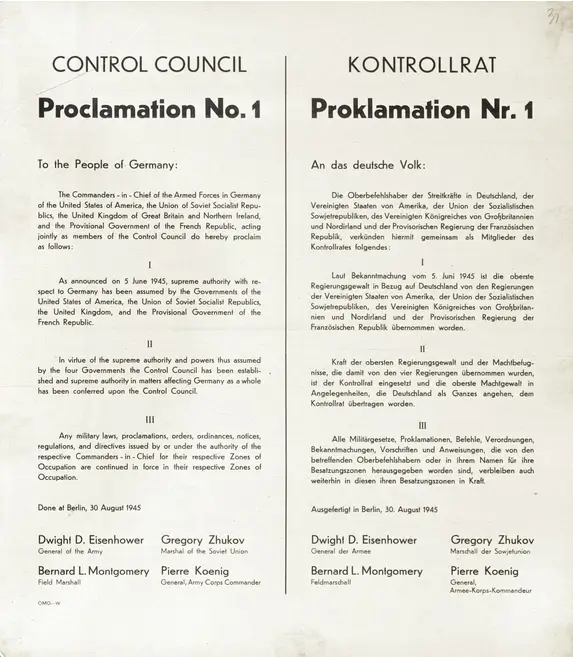
30. August 1945 Mit der Proklamation Nr. 1 des Alliierten Kontrollrates wird der breiten Bevölkerung mitgeteilt, dass Deutschland als besetztes Land unter alliierter Kontrolle ist.

III. New Global Developments—The Beginning of the East-West Conflict

The Cold War began no later than the Allied victory over Germany. In the United States and Great Britain, it became clear that the Soviet Union wanted more than just peace and the rule of law. It sealed off the territories it occupied with an “Iron Curtain” (a term first used by W. Churchill in a telegram to U.S. President Truman on May 12, 1945) and sought to bring communists to power in the areas occupied by the Red Army.

Excerpt from Winston Churchill’s “Iron Curtain” speech, delivered on March 5, 1946, at Westminster College in Fulton, Missouri:

[…] We welcome Russia to its rightful place among the world’s leading nations. […] It is my duty, however—for I am sure you would want me to state the facts as I see them—to present to you certain facts about the current situation in Europe.

From Stettin on the Baltic to Trieste on the Adriatic, an IRON CURTAIN has descended across the continent. Behind that line lie all the capitals of the ancient states of Central and Eastern Europe. Warsaw, Berlin, Prague, Vienna, Budapest, Belgrade, Bucharest, and Sofia, […] lie within what I must call the Soviet sphere, and all are subject, in one form or another, not only to Soviet influence but to a very high—and, in many cases, increasing—degree of control from Moscow.

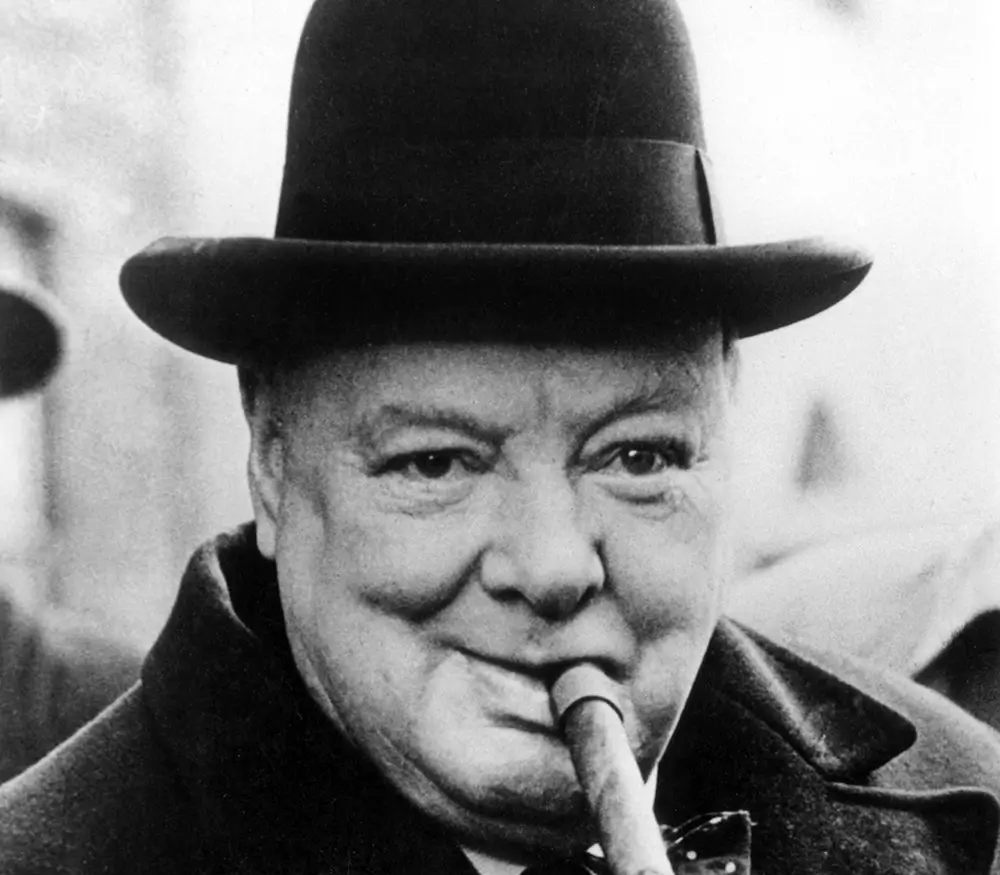
Winston Churchill – britischer Staatsmann, Premierminister und Historiker

IV. From the Ban on Fraternization to Building a Future Partnership

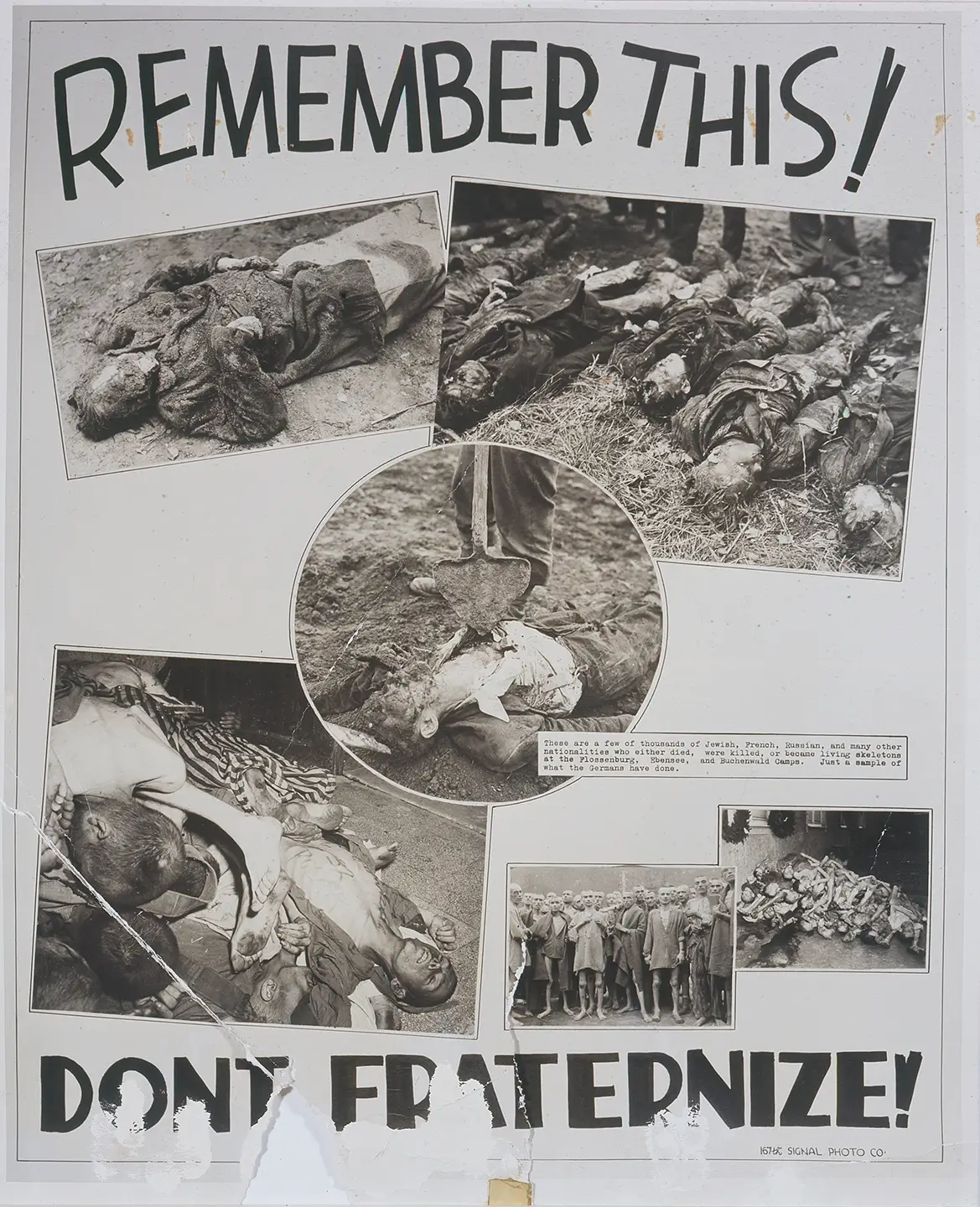
Initially, U.S. soldiers were prohibited from approaching the German population (the so-called “fraternization ban”). As a defeated and occupied nation of criminals, the Germans were to feel the harsh reality of their defeat. However, due to the emergence of two political blocs, the U.S. and Great Britain changed their stance toward Germany. It was now important to ensure stable conditions, improve the situation of the population, and convince the Germans of the cause of the Western Allies. To this end, conditions in the West had to be noticeably better than in the Soviet-occupied zone. For this reason, the Germans were also to begin governing themselves again.

Bavaria, 1945

May 28,
Fritz Schäffer becomes Bavaria’s provisional Minister-President by order of the military government.
He was nominated by Cardinal Faulhaber.

September 19,
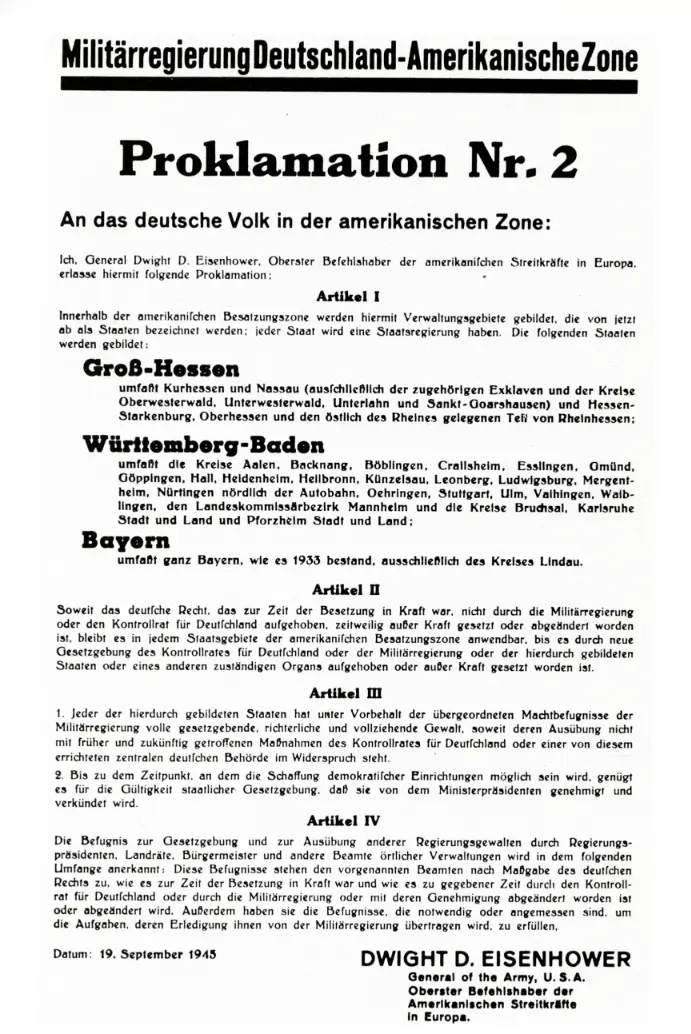
Bavaria is reestablished as a state by OMGUS Proclamation No. 2.
At the same time, orders are issued for the withdrawal of U.S. forces from Germany.

September 28,
: Wilhelm Hoegner becomes Minister President by order of OMGUS.

Bavarian statehood is being reestablished.
Americans and Germans are drawing closer together. The Cold War serves as the backdrop.

Derartige Plakate sollen in drastischer Weise an das Verbot sich mit Deutschen einzulassen erinnern. Die photographischen Aufnahmen stammen aus dem KZ Buchenwald.
Proklamation Nr. 2
Proklamation Nr. 2

V. Bavaria’s First Free Local Elections After World War I

In 1946, on the orders of OMGUS, the first democratic local elections since 1929 were held. Depending on the type and size of the local government unit, they took place on different dates.

  • January 27, 1946 | Municipalities with up to 20,000 residents
  • April 28, 1946 | Counties
  • May 26, 1946 | Independent cities and municipalities with more than 20,000 residents

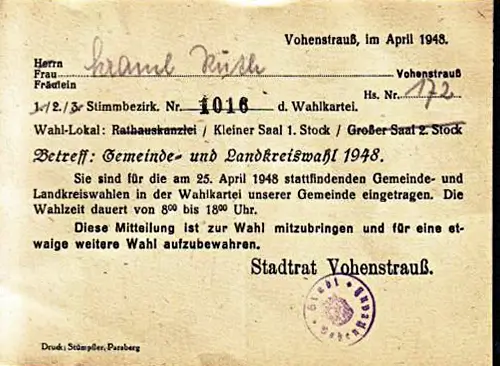
In Vohenstrauß, too, elections were held for the first time since World War II on January 27, 1946.

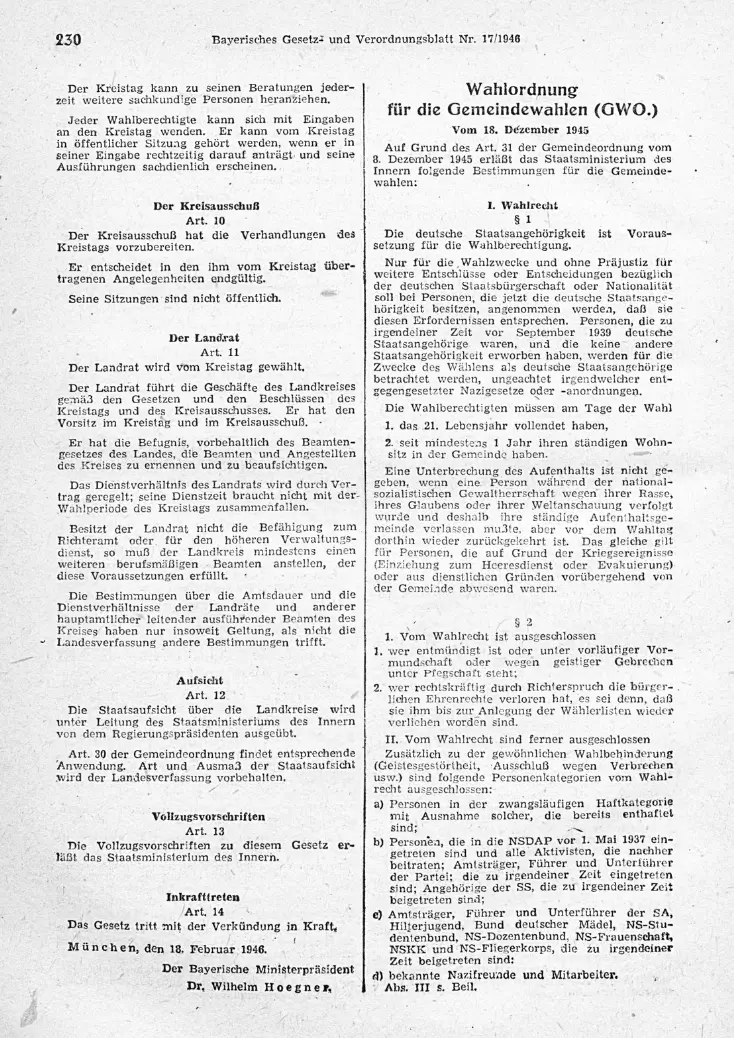
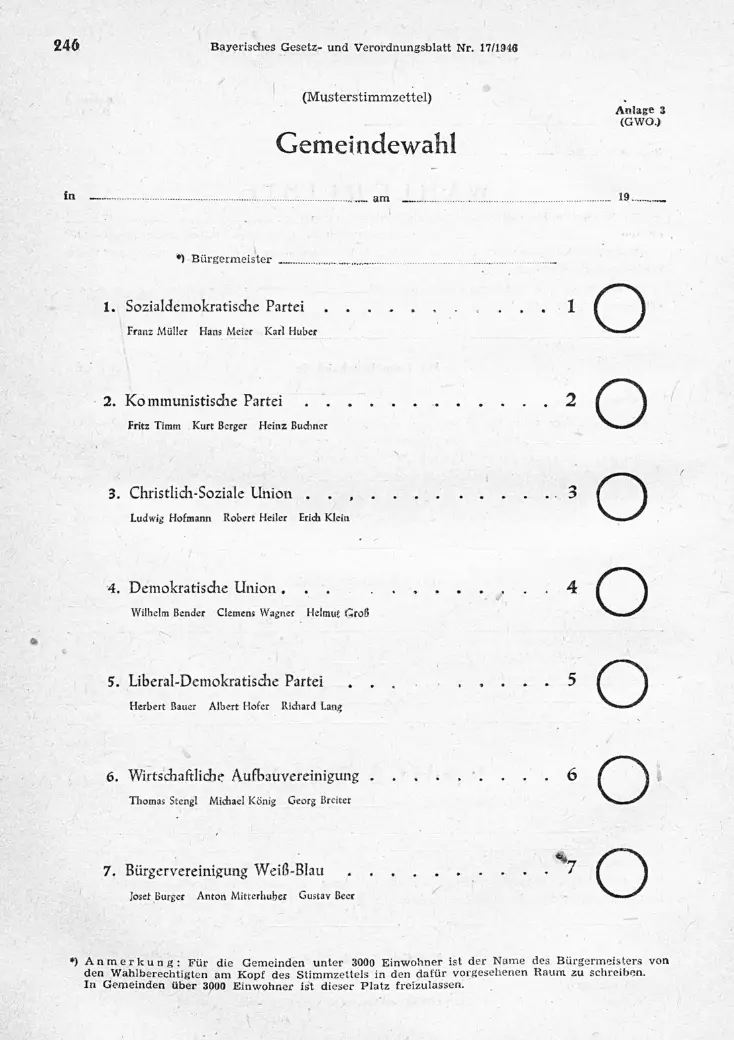
Eine Wahlordnung wurde erlassen und Stimmzettel gedruckt.
Wahlordnung
Wahlordnung
Wahlzettel zur Gemeindewahl

VI. Future Elections

In order to be able to hold elections in accordance with the principles of the rule of law again in the future, Lucius D. Clay also had to work toward a new constitution for Bavaria.

  • February 8: Wilhelm Hoegner is tasked by OMGUS with drafting a constitution.
  • May 3: The Preparatory Constitutional Committee concludes its work.
  • June 30: A state constitutional assembly is elected.
  • October 24: General Lucius D. Clay approves the draft constitution.
  • October 26: The Constituent Assembly adopts the draft with the votes of the CSU and the SPD.
  • December 1, 1946: A referendum on the constitution is held concurrently with the first state legislative elections. Bavaria’s new constitution is adopted with 70.6% of the vote.

Article 11(2) of the 1946 Constitution of the Free State provides the basis for further local elections:
Municipalities “have the right to organize and administer their own affairs within the framework of the law, in particular to elect their mayors and representative bodies.”