4.
The Arrival of a New Population
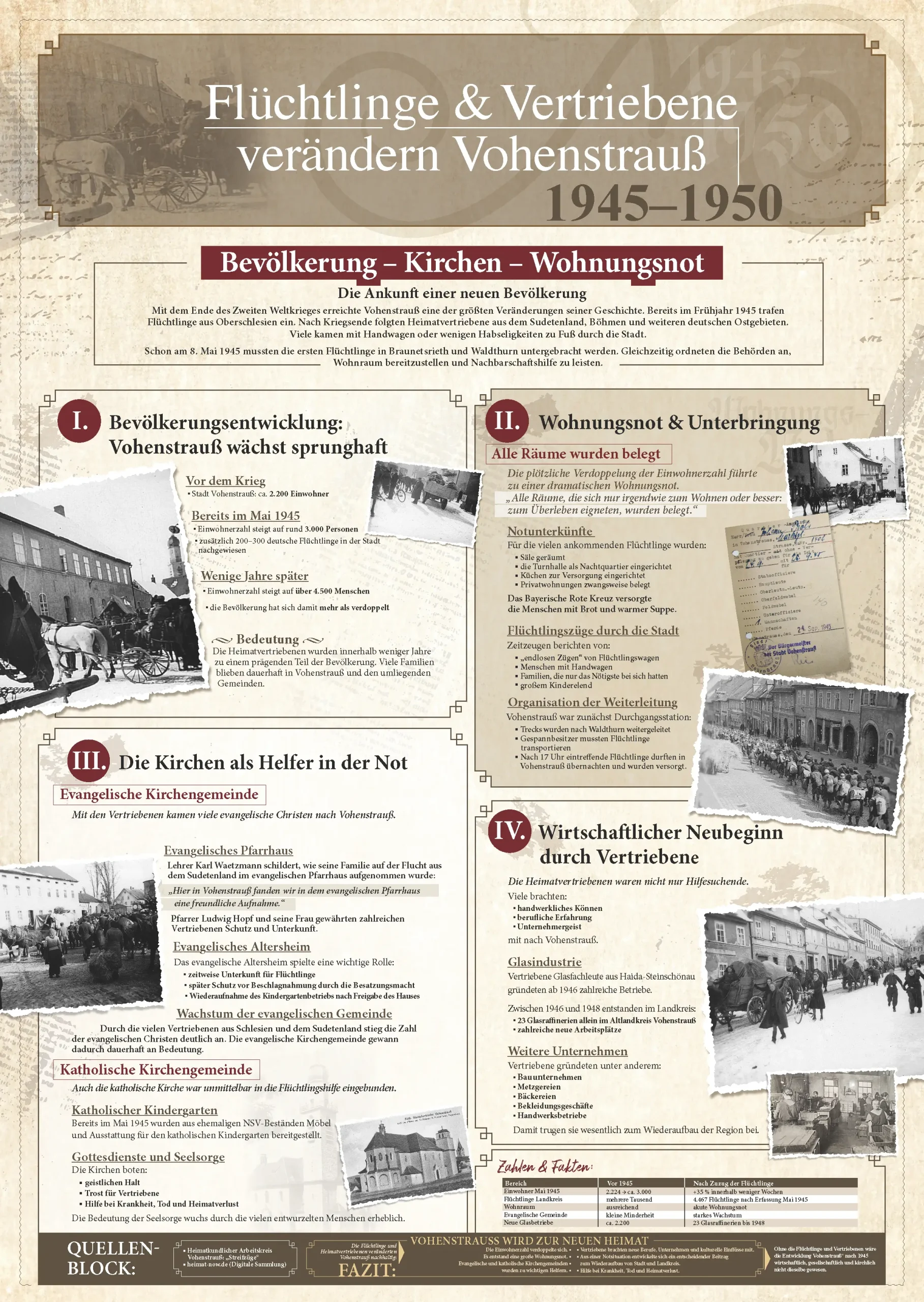
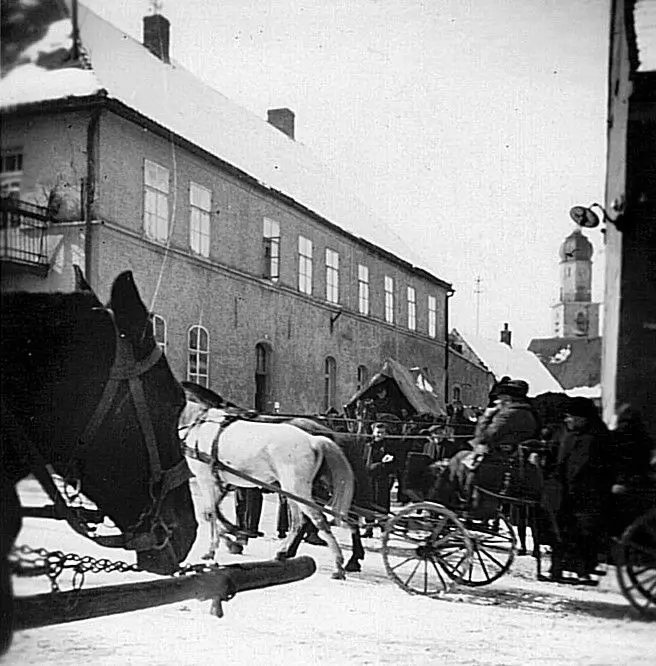
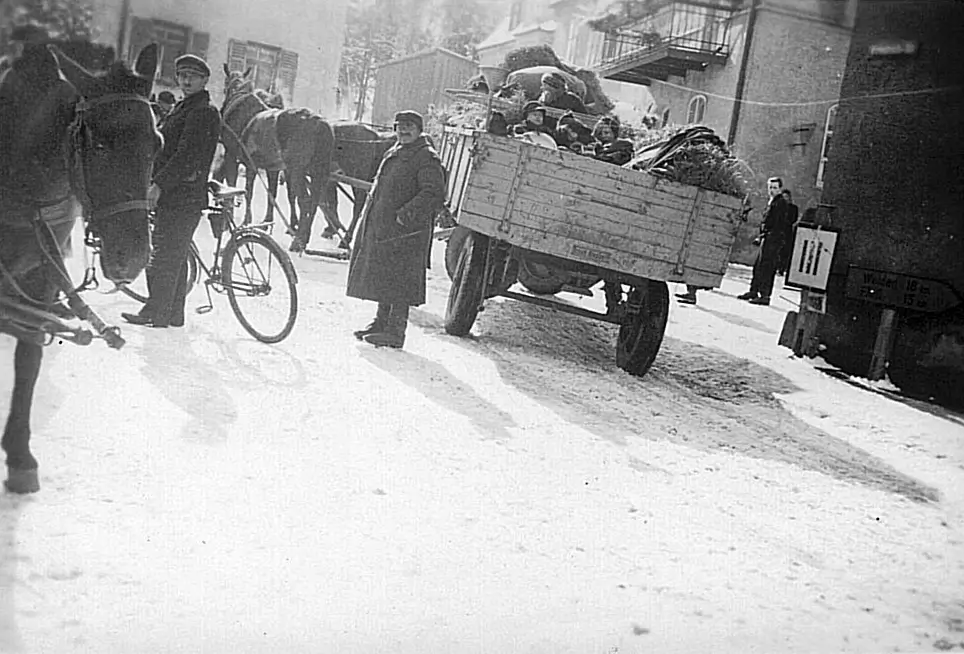
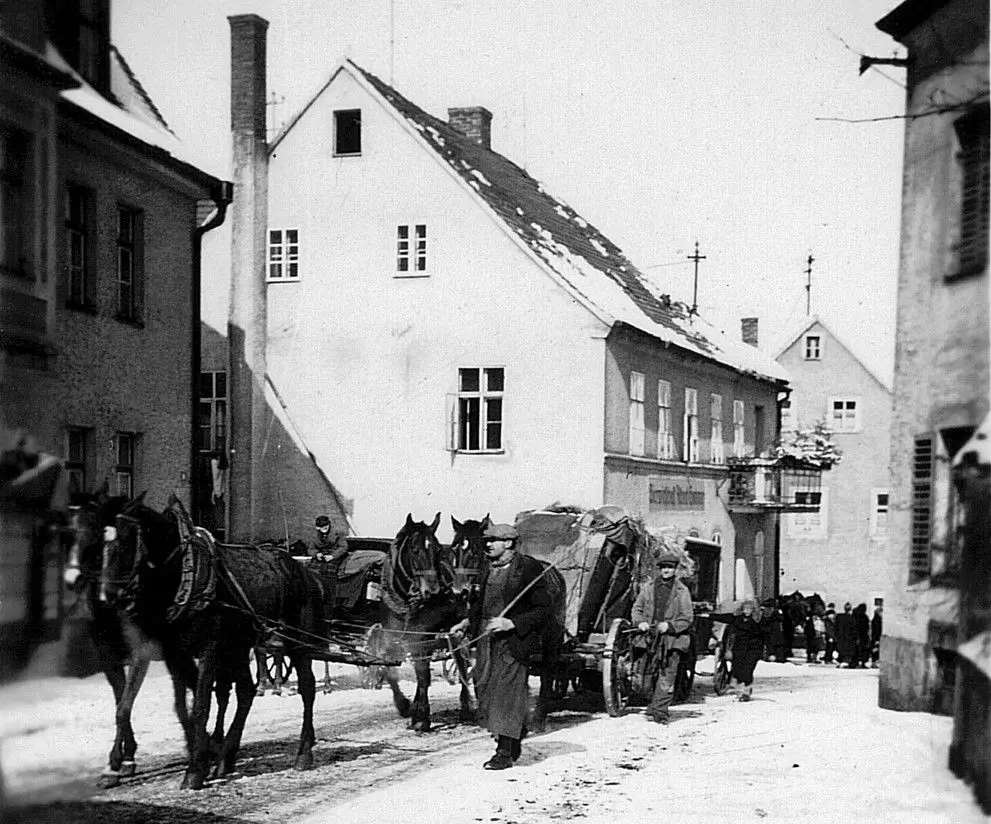
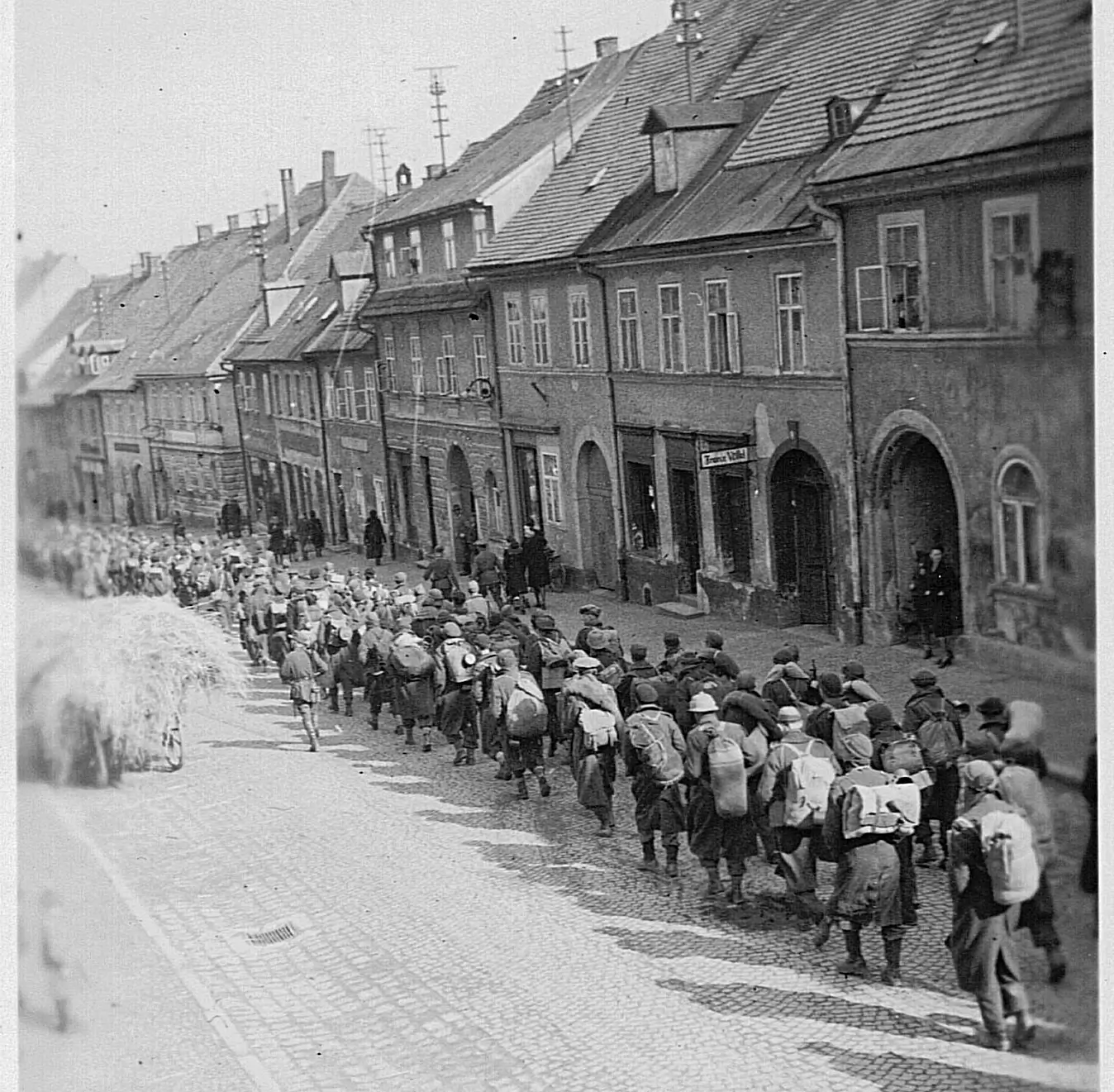
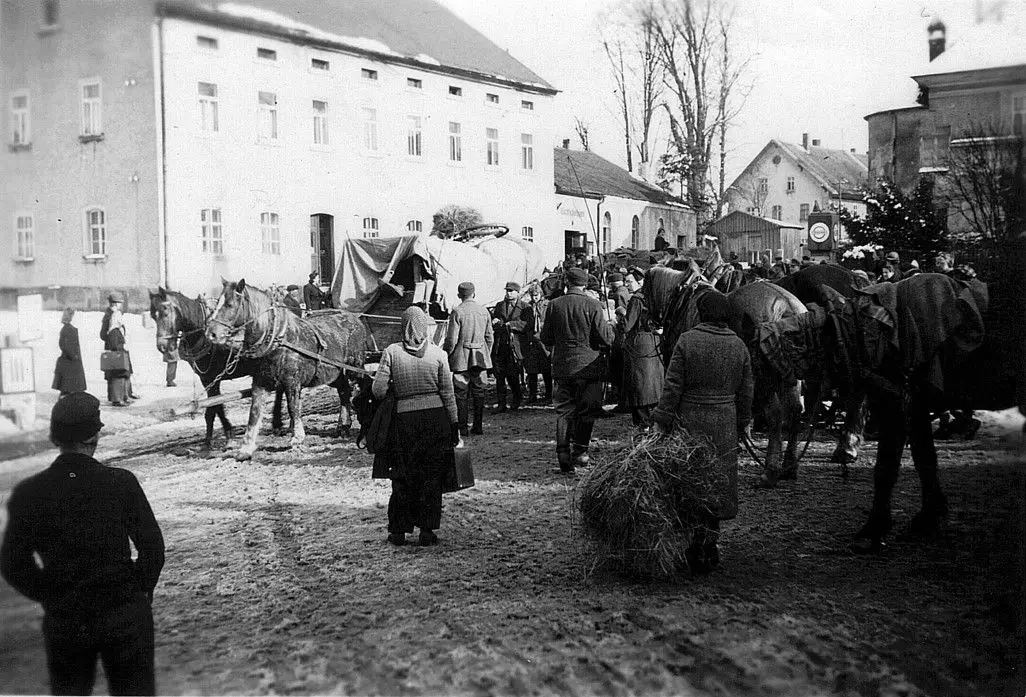
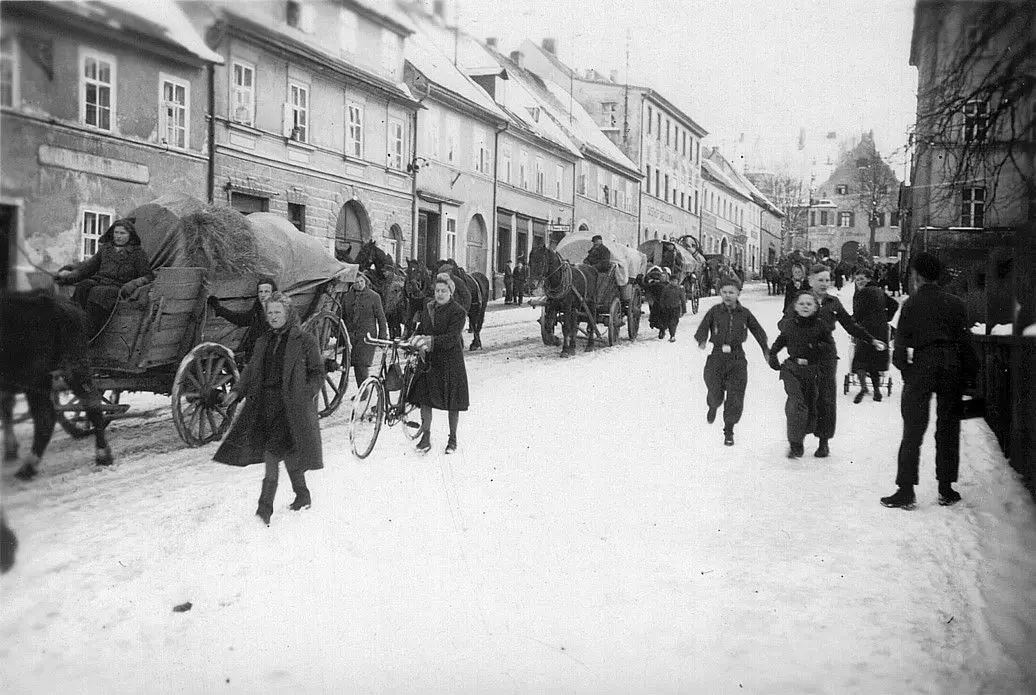
With the end of World War II, Vohenstrauß underwent one of the greatest changes in its history. Refugees from Upper Silesia began arriving as early as the spring of 1945. After the war ended, displaced persons from the Sudetenland, Bohemia, and other eastern German territories followed. Many passed through the town on foot, pulling handcarts or carrying only a few personal belongings.
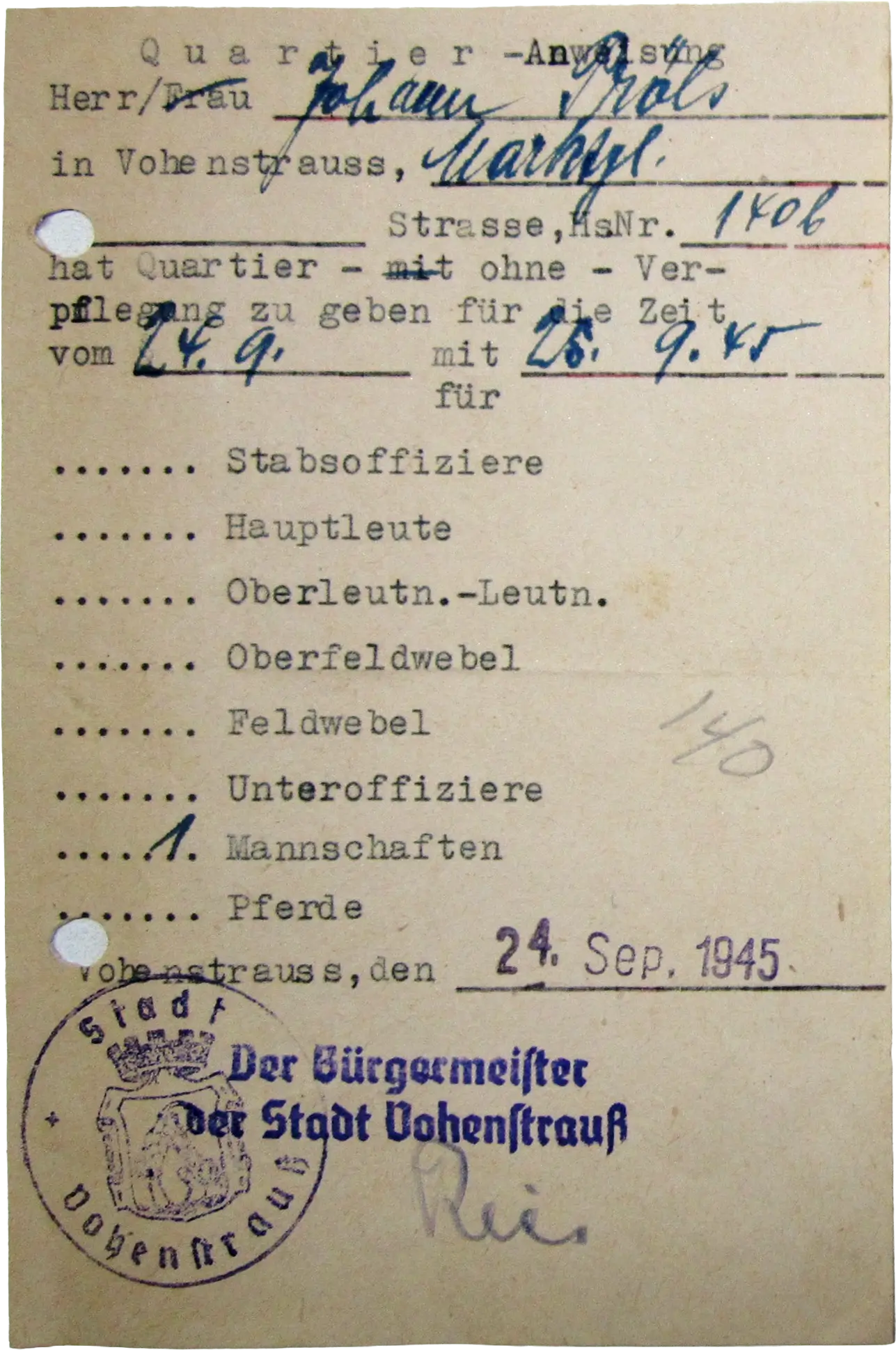
As early as May 8, 1945, the first refugees had to be housed in Braunetsrieth and Waldthurn. At the same time, the authorities ordered that housing be provided and that neighbors assist one another.
Before the war
As early as May 1945
A few years later
Meaning
Within a few years, the displaced persons became a defining part of the population. Many families settled permanently in Vohenstrauß and the surrounding communities.
All rooms were occupied
The sudden doubling of the population led to a dramatic housing shortage.
“Every room that was even remotely suitable for living in—or rather, for surviving—was occupied.”
Emergency shelters
For the many refugees arriving, the following were provided:
The Bavarian Red Cross provided people with bread and hot soup.
Refugee trains passing through the city
Eyewitnesses report:
Organization of Forwarding
Vohenstrauß was initially just a stop along the way:
Protestant Church Congregation
Many Protestant Christians came to Vohenstrauß along with the displaced persons.
Protestant Rectory
Teacher Karl Waetzmann describes how his family was taken in at the Protestant parsonage while fleeing the Sudetenland:
“Here in Vohenstrauß, we received a warm welcome at the Protestant parsonage.”
Pastor Ludwig Hopf and his wife provided shelter and protection to numerous displaced persons.
Protestant Retirement Home
The Protestant retirement home played an important role:
Growth of the Protestant Congregation
Due to the large number of displaced persons from Silesia and the Sudetenland, the number of Protestant Christians rose significantly. As a result, the Protestant congregation gained lasting importance.
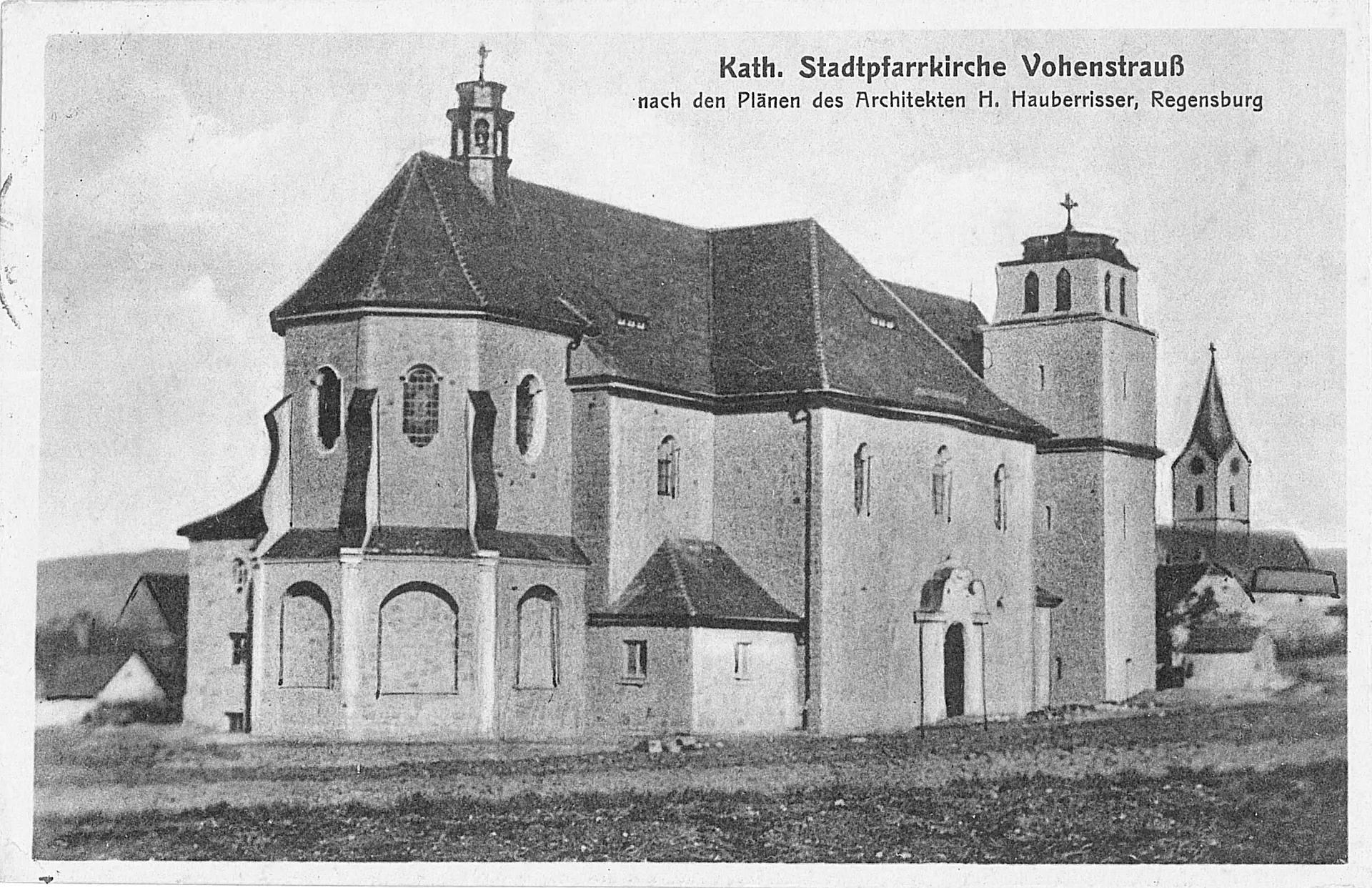
Catholic Parish
The Catholic Church was also directly involved in refugee relief efforts.
Catholic Preschool
As early as May 1945, furniture and furnishings from the former NSV’s holdings were made available for the Catholic kindergarten.
Worship Services and Pastoral Care
The churches offered:
The importance of pastoral care grew significantly due to the large number of displaced people.

The displaced persons were not merely people seeking help.
Many brought:
to Vohenstrauß.
Glass Industry
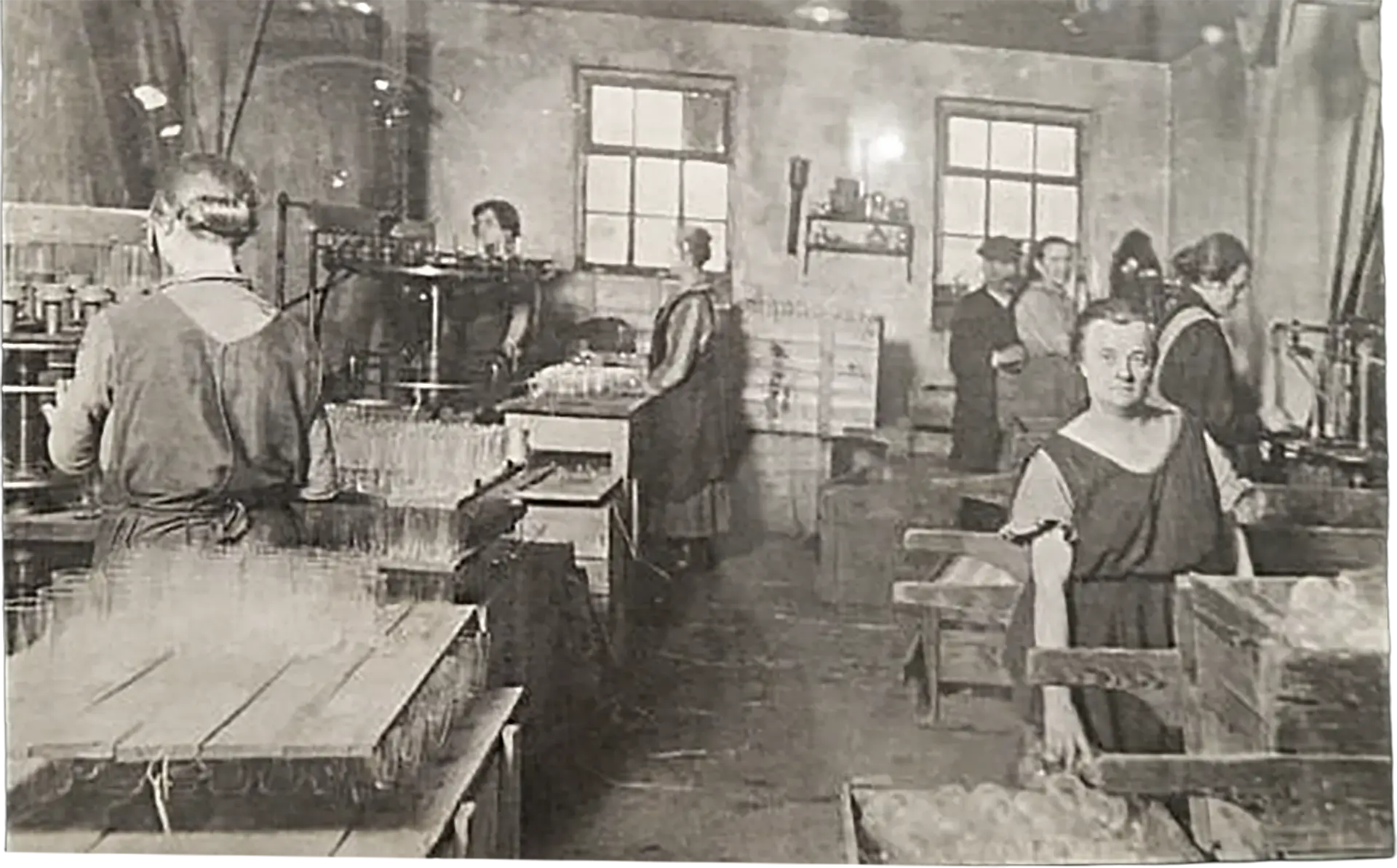
Glass artisans displaced from Haida-Steinschönau founded numerous businesses beginning in 1946.
Between 1946 and 1948, the following were built in the county:
Other Companies
Among other things, displaced persons founded:
In doing so, they made a significant contribution to the region’s reconstruction.
Facts & Figures:
| Period | Before 1945 | After the arrival of the refugees |
|---|---|---|
| Population, May 1945 | 2,224 → approx. 3,000 | +35% within a few weeks |
| Refugees in the county | several thousand | 4,467 refugees as of May 1945 |
| Living space | sufficient | acute housing shortage |
| Protestant Congregation | small minority | strong growth |
| New Glass Manufacturers | approx. 2,200 | 23 glass refineries by 1948 |
CONCLUSION:
The refugees and displaced persons brought about lasting changes in Vohenstrauß:
VOHENSTRAUSS BECOMES A NEW HOME
Without the refugees and displaced persons, Vohenstrauß’s development after 1945—economically, socially, and in terms of the church—would not have been the same.
The project “Between Democracy and Dictatorship” is supported by “Neustadt lebt Demokratie,” the Evangelical Adult Education Center of the Upper Palatinate, the Federal Ministry of Education, Family, Senior Citizens, Women, and Youth, and the federal program “Demokratie leben!”
Together, the funding partners help preserve history, strengthen democratic awareness, and promote diversity, respect, and social cohesion.